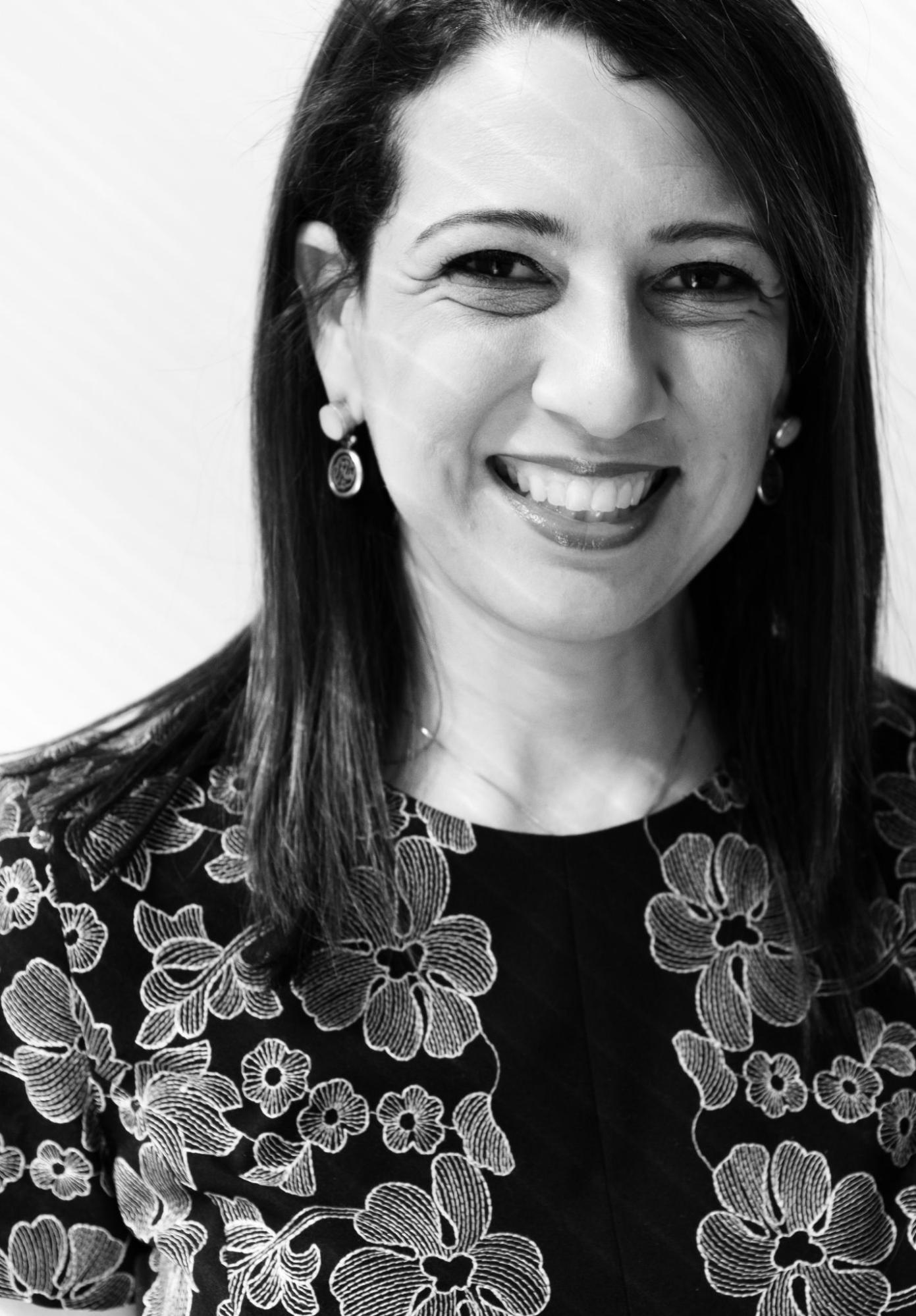
Last October, the Pentagon press corps left the building, surrendering inside access rather than submitting to sweeping new rules. Among them was Nancy Youssef, a journalist with on-the-ground reporting experience from Baghdad, Kabul, and North Africa through regime change and war. Youssef’s reportage has exposed the human cost of military decisions made thousands of miles away and received the Alfred I. duPont–Columbia University Award. A former WSJ correspondent now at The Atlantic, she has spent two decades covering the Pentagon. Here, she discusses covering the military from outside the building, the information vacuum surrounding the Iran War, and what readers should seek amidst restricted press access.
Ananya Venkateswaran: October 15th marked one year since you and most of your colleagues turned in your badges rather than accept the Pentagon’s new rules. Take us back to that moment last year.
Nancy Youssef: Since the Pentagon opened, reporters had been welcome. Last year they put forth rules essentially saying that reporters couldn’t publish information that wasn’t authorized by the department. The majority of the press corps preferred turning in our badges to agreeing to those rules. It wasn’t along one side of the political spectrum: conservative and liberal publications all walked out together to signal that walking those hallways wasn’t more important than our journalistic responsibility to report what we see, not what the Pentagon tells us is happening.
AV: What were those last few days in the Pentagon like?
NY: There was profound sadness; we were losing a vantage point to understanding the United States military. But I was so proud. We knew it’d be harder to do our jobs going forward, but you felt the shared commitment. You’ve seen it. The most consequential stories have come from people who were part of the eviction: the double-tap strike off the coast of the Caribbean, questions of death tolls, injuries and munitions in Iran.
AV:What’s the most tangible consequence of working outside the building?
NY: There hasn’t been a press conference since May 5th, despite the United States’ strikes against Iran. When they did happen, we weren’t getting fidelity on what they were hitting, where military campaigns were, or the extent of damage to Iranian facilities. This is the first conflict of my career where reporters can’t be at the Pentagon, on ships, bases, or the ground where strikes are happening. It’s harder to give the most fulsome picture possible to readers.
AV: United States Secretary of Defense Pete Hegseth justified this “eviction” as protecting classified information. Are the new rules intended to keep certain information from the public beyond that stated goal?
NY: In those accusations, there’s been no example of a reporter violating something that required this response. The Defense Secretary seems to be mad about people [within the government] releasing information he doesn’t want out. The onus isn’t on the journalist, then, but the people with access to classified information. We’re in a very big room with a flashlight that has gotten dimmer. We are studying very small details, trying to extrapolate from them what we can conclude broadly about the war. Stories are coming out later. There’s a real climate of fear. People have been polygraphed on suspicion of leaks, so they’re afraid to engage with us. Spokesmen say they’re afraid to take calls from us—though ostensibly, that’s their job.
AV: Last month, the White House revoked press credentials of CNN, MSNBC, and Politico reporters. A year after the Pentagon press “eviction” what does this tell us about where press access in Washington is headed?
NY: The administration believes that those who publish information they don’t want out aren’t exercising their rights but committing a violation. Hegseth said that journalists who publish things he feels they shouldn’t should be charged with treason. But the founders included the First Amendment because they wanted people to challenge the government. The government should be willing to answer questions about their decision-making on behalf of the people. This administration is increasingly signaling that, to them, accessing government facilities and questioning officials isn’t a fundamental right but a privilege.
AV: Some argue that national security reporters had become too embedded and dependent on these military sources. Does that critique have merit?
NY: If the reporters were too dependent, that would suggest that the military is getting more favorable coverage than deserved. If that’s the case, why did they feel the need to kick reporters out? There is validity. Defense is a huge beat to cover, and there’s criticism in areas where we could have done better. Readers have a tremendous power to fix that by the journalism they choose to support. That should be the arbiter, not government agencies deciding what meets journalistic standards, which to them is rooted in agreeable coverage.
AV: What’s on your mind approaching the eviction’s one-year anniversary?
NY: I feel profound gratitude for the sources that continue to talk to us and for their courage. While I miss what being in that building offered, I’m immensely proud. Despite all those restrictions, there has been light on some really important issues. I’m more hopeful than I was a year ago, largely thanks to my colleagues’ work.
AV: What should the American public know about Iran that we still don’t?
NY: What defines what an exit ramp looks like? On what terms would the United States stop conducting strikes against Iran? I think the president is seeking a conclusive victorious outcome. The Iranians seek to thwart that, gaining something themselves. We’re entering a period in which concessions will have to be made in ways the United States didn’t originally foresee. What would the United States concede to end this conflict? How does the military reset munition stockpiles, the stress on the force—particularly the navy—after this period? What happens if war continues?
AV: In an uncertain time when even reporters can’t access all the information, what should readers seek in their news?
NY: Most people want media that’s free and confirms their viewpoint. As citizens in a democracy, there’s responsibility for everybody, not just journalists. One is supporting the journalism that you think is responsibly going after this kind of information, and two is being open to information outside of what you feel a position should be. My favorite part of the day is reading print newspapers. There’s so much serendipity in flipping through and learning about something you didn’t even know you were interested in. You become a more informed citizen—not just about issues you care about, but ones you didn’t even know you would when you woke up.
*This interview has been edited for length and clarity.