Listen wherever you get your podcasts:
From apartheid to the front lines of global health, Listening to Shadows is the gripping true story of one man’s fight for freedom, truth, and survival.
At a moment when democracy and truth are under siege across the globe, Listening to Shadows tells the extraordinary story of South African Member of Parliament and Shadow Minister of Health Wilmot James, who rose from the power struggles in South Africa to the front lines of global health leadership. For the first time, he shares personal stories growing up as a child of apartheid, being imprisoned as a student activist, and about his work with leaders such as Nelson Mandela, among many others. Forged in social change movements and tested in public health crises, Wilmot speaks with rare global authority. He has witnessed democracy rise from the ashes of apartheid, lived through the devastations of health misinformation, questioned the case of South Africa’s missing biological and chemical weapons, and learned to spot the early signs of authoritarianism. Told by Wilmot, his prophetic story unfolds as an immersive 5-part audio documentary. It offers us both a warning and a guide to sustaining a healthy civic society, weaving themes of biography, leadership, history, and health. The audio essays are not just about one man’s past; they are about the living struggle to protect truth, rights, and the rule of law in a world still learning the same hard lessons.
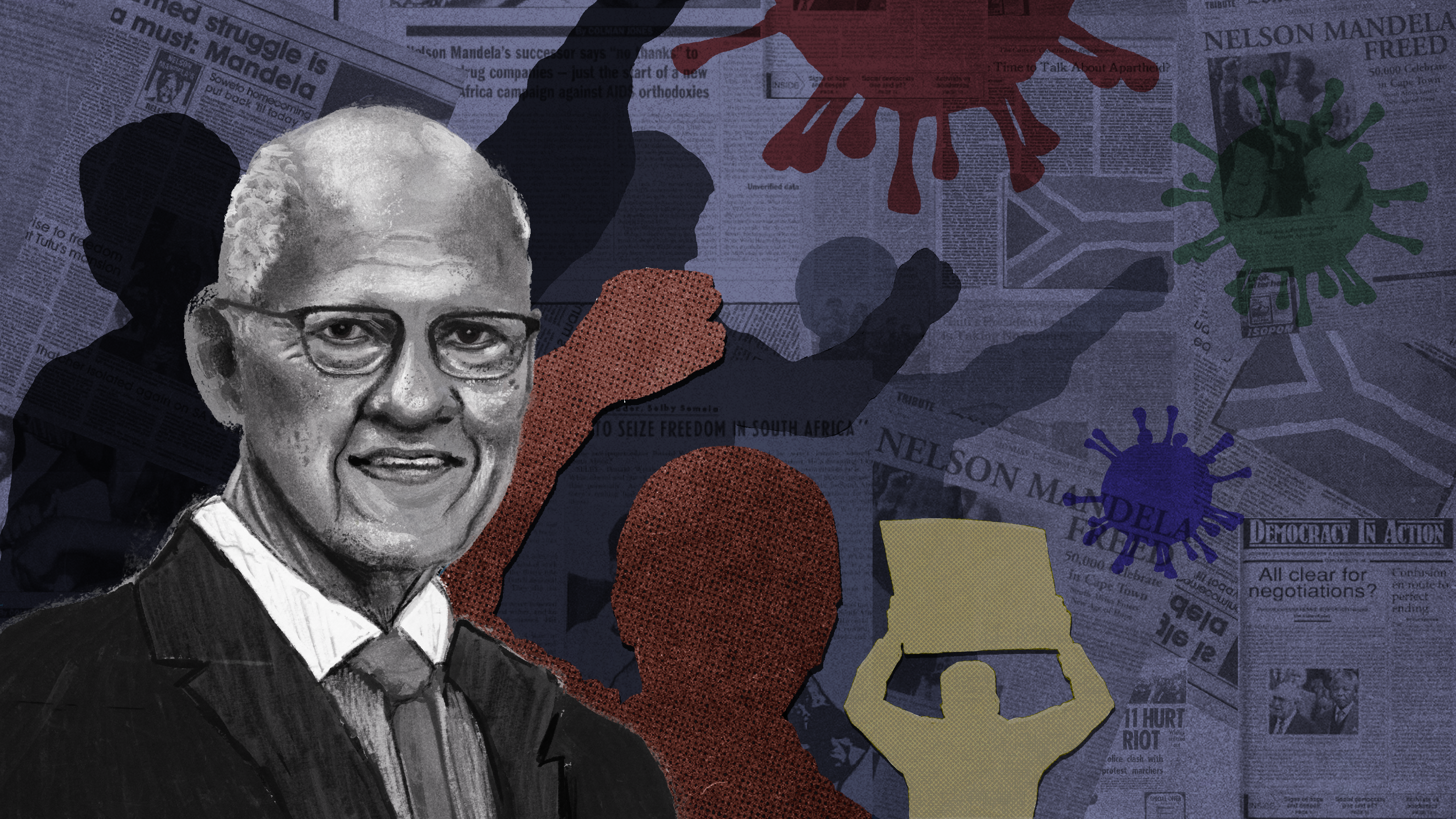
Part I. Child of Apartheid
A leader in the making comes of age under apartheid rule.
Illustration by Rokia Whitehouse ’27, an Illustration major at RISD and Illustrator for BPR
Listen wherever you get your podcasts:
Wilmot James is a child of apartheid. A descendant of Indian slaves, he grew up in a family of teachers who had an unrelenting drive for education despite forced removal from their home and political violence. At the age of eight, he lost his innocence as protests in his hometown of Paarl turned deadly. Playing the piano fed his soul. In college, he joined the black consciousness movement and when the 1976 Soweto Uprising spread to Cape Town, he used the Drama Society’s car to chauffeur activists. Soon after, he was taken from his home and imprisoned in the very place where Nelson Mandela would be released more than a decade later. His coming-of-age story reminds us of the power of education, the vulnerability of justice, and what it means to defend democracy and truth.
Part II. Dinner with Mandela
Deeply personal accounts reveal Nelson Mandela’s true magic as a leader finding common ground and bridging divides.
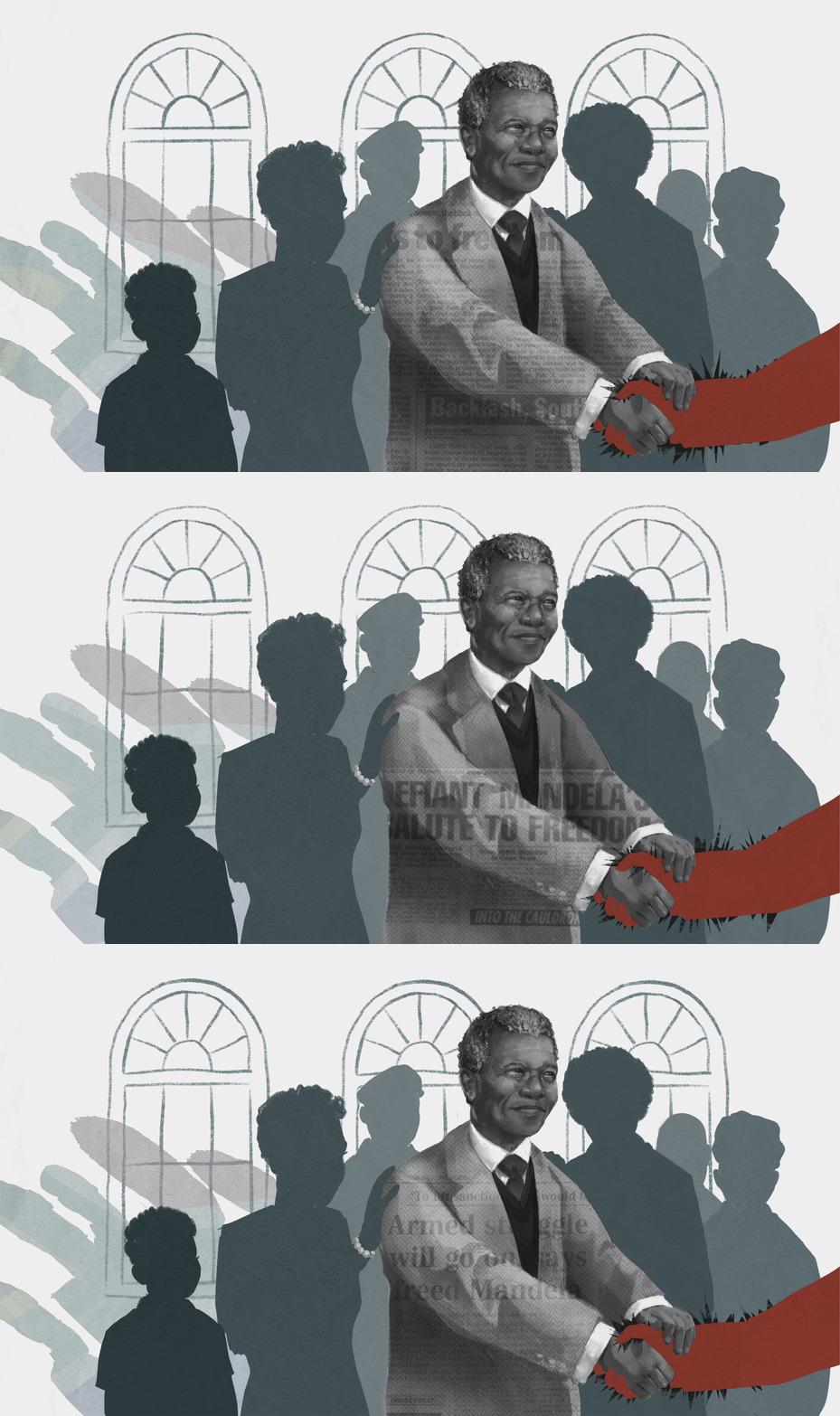
Illustration by Lydia Smithey ’27, an Illustration major at RISD and Illustrator for BPR
Listen wherever you get your podcasts:
What is it like to have dinner with Nelson Mandela when he wants to ask you something? Wilmot James knows and shares stories about working with the extraordinary Mandela: editing his speeches, running constitutional workshops, writing immigration policies, and bringing warring parties together to fulfill a vision for South Africa’s future. Wilmot’s deeply personal accounts reveal the magic of Mandela in a new way, deepening our understanding of his empathy and moral clarity as a global leader, qualities once revealed when Mandela served his opponent a cup of tea. Mandela aspired to set an example while building a new democratic nation. Time with Mandela reminds us of what it meant for him to go 27 years without hearing a child while imprisoned. For Wilmot, Mandela’s force was so strong that, even at his funeral, he bridged divides and brought peace.
Part III. Wrestling with the Truth
Wilmot James shares behind-the-scenes accounts of launching the Truth and Reconciliation Commission, which confronted the heartbreaking and brutal stories of apartheid and sought to restore justice and promote healing for a new democratic nation.
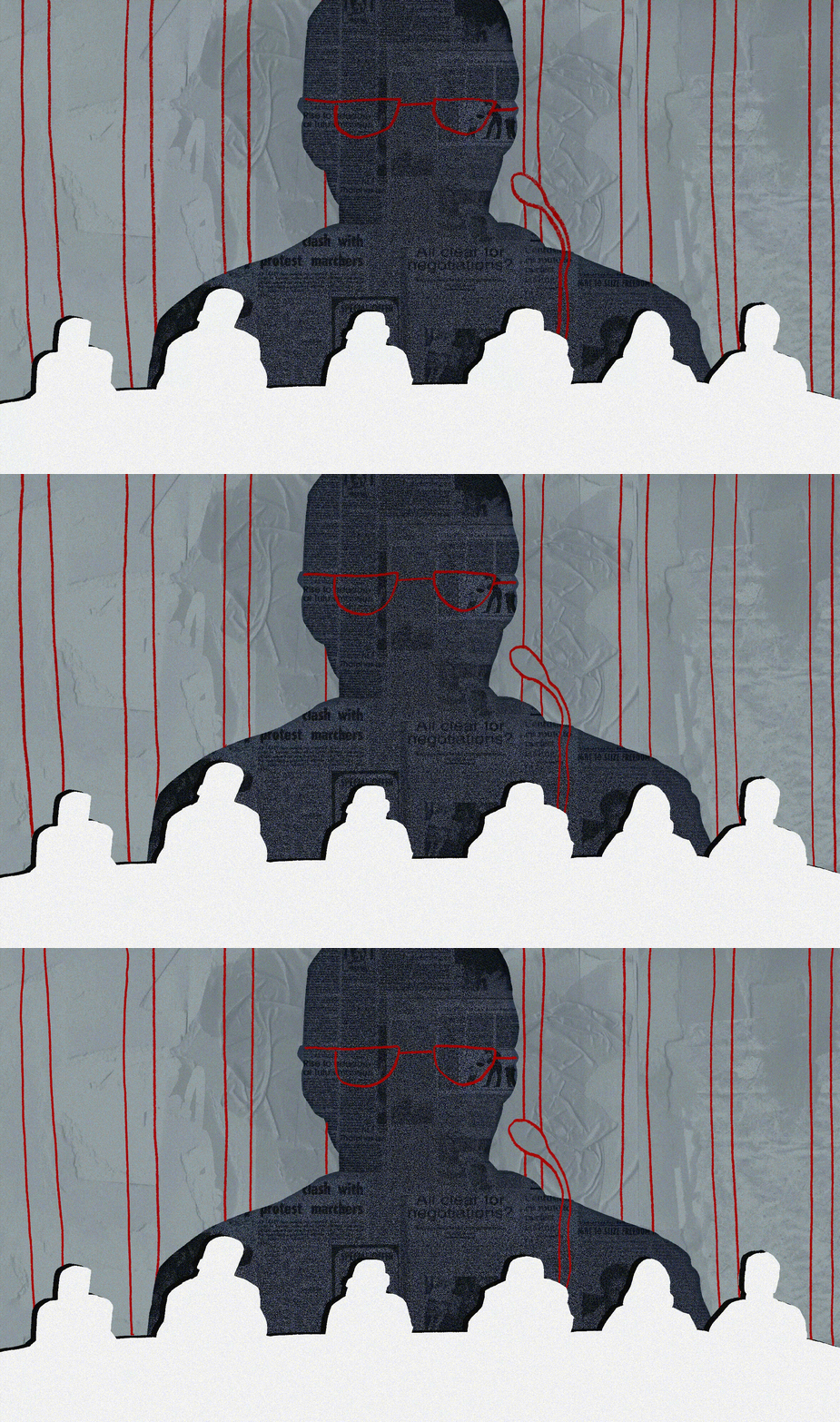
Illustration by Orla Maxwell ’27, an Illustration major at RISD and Illustrator for BPR
Listen wherever you get your podcasts:
To move forward as a new democracy, South Africa must face horrific truths. Wilmot James, while director of the Institute for Democracy in South Africa (IDASA), supports a brave initiative called The Truth and Reconciliation Commission (TRC). Led by Archbishop Desmond Tutu, the TRC confronted decades of human rights violations from 1960 to 1990. Assassins and hit squads seek amnesty and witness protection. Mothers relive brutal stories. Grieving families demand answers. Questions loom about Wouter Basson (aka Dr. Death) and the fate of South Africa’s secret chemical and biological weapons program. Did the TRC smooth the transition from apartheid to democracy, or did powerful leaders escape accountability and punishment? Wilmot James exposes the successes and failures of the TRC as it redefines a model for restorative justice and gives the world a new way to reckon with the past.
Part IV. Disease and Denial
Just as South Africa becomes a new democracy with Nelson Mandela as president, the HIV/AIDS epidemic hits. The defiant activist Zackie Achmat rises, Thabo Mbeki spreads disinformation and pseudoscience, and Mandela confronts the disease ravaging his country.
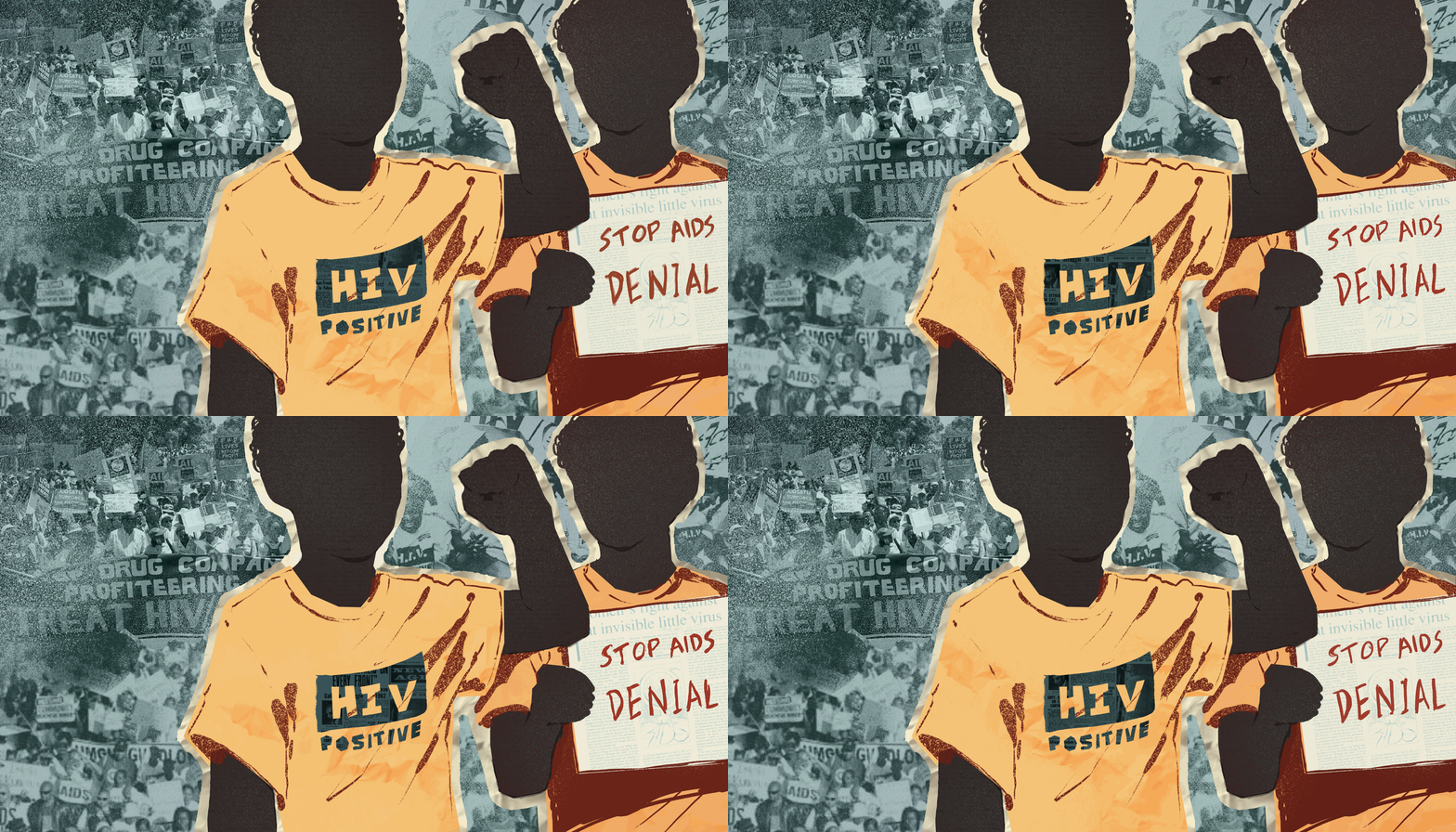
Illustration by Rokia Whitehouse ’27, an Illustration major at RISD and Illustrator for BPR
Listen wherever you get your podcasts:
Nelson Mandela was leading a brand-new democracy in South Africa when the HIV/AIDS epidemic hit. The disease was devastating, with few tools to fight it, and Mandela didn’t do enough. His presidential successor, Thabo Mbeki, made it even worse: he was a denialist who perpetuated misinformation, promoted conspiracy theories, and blocked the rollout of lifesaving treatments, leaving hundreds of thousands dead and a million orphaned. A defiant activist living with HIV, Zackie Achmat, stepped up, inspired a citizens’ movement, and brought the government to court. Wilmot James shares the forgotten story of the legacy of HIV/AIDS in South Africa and the consequences of leaders turning their backs on science.
Part V. A Fall from Grace
One fall from grace sparks Wilmot James’s reinvention and rise as a global health leader.
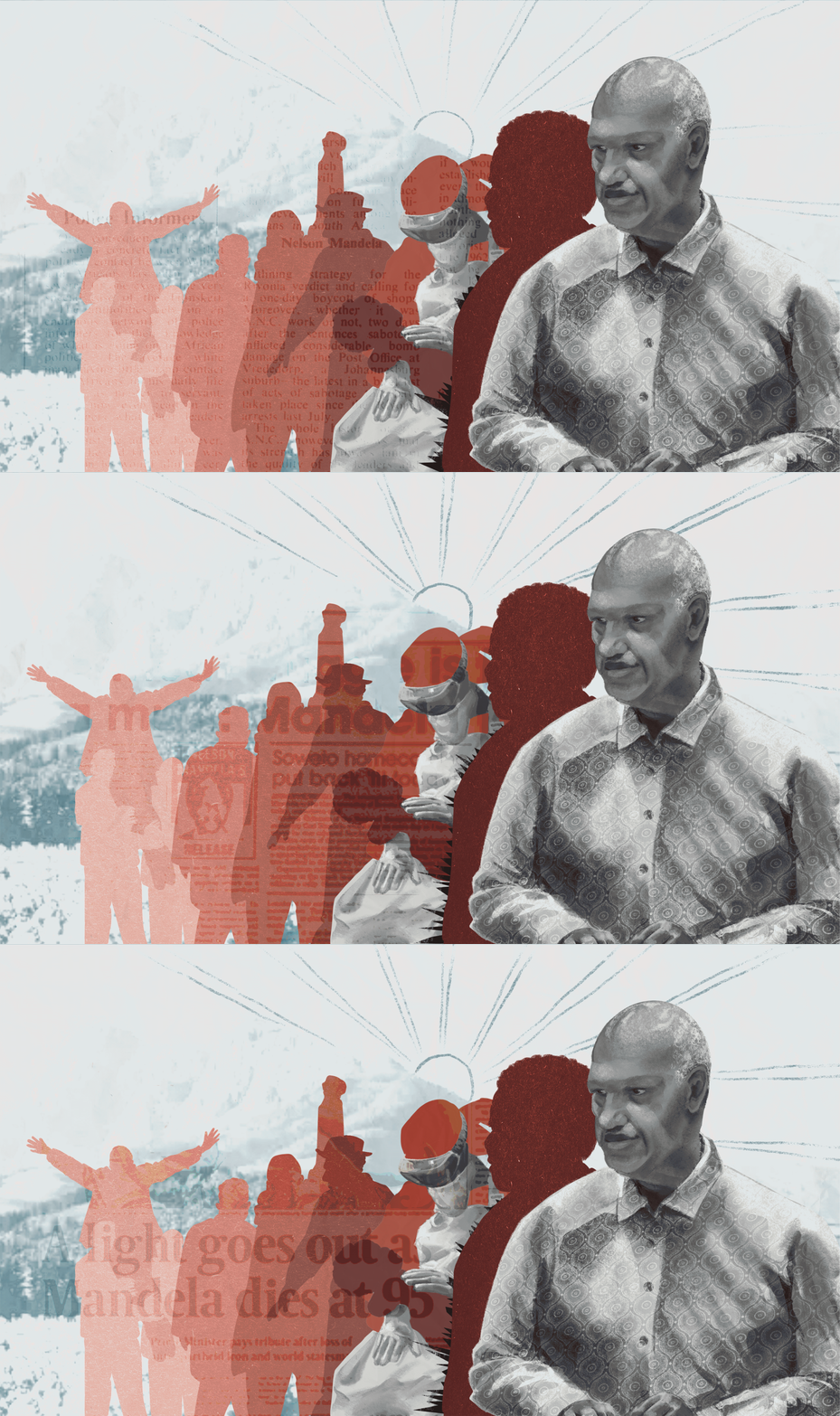
Illustration by Lydia Smithey ’27, an Illustration major at RISD and Illustrator for BPR
Listen wherever you get your podcasts:
Wilmot James reflects on his one fall from grace. After Wilmot’s private letter about President Thabo Mbeki is leaked, Mbeki strikes back and derails Wilmot’s career. Mbeki, rejecting Mandela’s vision for nation building, sowed the seeds for a divided South Africa. One side rich and white, the other poor and black. Wilmot recounts an eye-opening story about the severe costs of speaking truth to power and the lessons he learned from his mistakes. With a courageous return to public life, he enters Parliament during Jacob Zuma’s presidency as the national stakes mount: he visits hospitals and laboratories on the front lines of public health, fights to contain corruption under South Africa’s president, and watches Ebola burn through West Africa. Wilmot discovers that the failure to lead is not a medical failure, but a moral one. Wanting to do more, Wilmot fights back and reinvents himself as a global health leader, dedicating his life to learning and public service.
ABOUT WILMOT JAMES
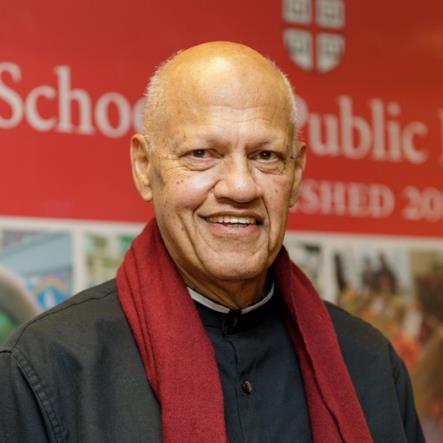
Dr. Wilmot James is Senior Advisor to the Brown Pandemic Center and a Professor of the Practice of Health Services, Policy, and Practice at the Brown University School of Public Health. He also serves as the Director of the Africa Initiative at the Watson School of International and Public Affairs. Prior to his Brown appointment, he was a Senior Research Scholar at the Institute for Social and Economic Research and Policy (ISERP) in the College of Arts and Sciences at Columbia University.
Wilmot James is a thought leader in global health security and diplomacy. He serves on a variety of advisory boards and committees including the Wellcome Trust’s Climate-Health Impact Awards Advisory Committee (Chair), the Scientific Advisory Council to the Fund for Science and Technology (Paul Allen FF-ST), co-chair of the Mirror Life Policy Working Group (Carnegie Endowment for International Peace), panel chair of the Schmidt Sciences Post Doctoral Fellows Program, and plays a leading role in the efforts of the G7-led Global Partnership’s and Africa CDC’s Signature Initiative to Mitigate Biothreats in Africa.
He was a Member of Parliament in South Africa between 2009-2017 and a Trustee of the Ford Foundation of New York between 1996-2008. He is the author/editor of seventeen books, including Vital Signs: Health Security in South Africa (Brenthurst Foundation, 2020), Nature’s Gifts: Why We Are The Way We Are (Wits University Press, 2010), and Nelson Mandela in His Own Words (Little Brown & Co., 2003 and 2017). He co-designed the first post-apartheid immigration and refugee protection system for the Mandela Government. He says the best job he ever had was serving as Chairman of the Cape Town Philharmonic Orchestra.
SOCIAL MEDIA TAGS
@galvin_jen
@bartwarshaw
@pandemiccenter
@brownpoliticalreview
#ListeningtoShadows #SouthAfrica #podcastseries #newpodcastalert #audiodocumentary #audiononfiction #untoldstories #biography #humaninterest #publichealth #history #science #leadership #socialhistory #democracy #civiclife #civicengagment #politics #publicservice #community #citizenship #leadbyexample
PRODUCTION CREDITS
REELBLUE AND COCOON AUDIO IN ASSOCIATION WITH THE PANDEMIC CENTER AND THE BROWN POLITICAL REVIEW PRESENT LISTENING TO SHADOWS
PRODUCTION ASSISTANCE BENTLEY HOLT, ALICE IM AND CLARA BAISINGER-ROSEN
PRODUCTION SUPPORT JOHN D. ROCKEFELLER JR. LIBRARY
EXECUTIVE PRODUCERS JENNIFER GALVIN AND BART WARSHAW
ILLUSTRATION BY ROKIA WHITEHOUSE, LYDIA SMITHEY AND ORLA MAXWELL
SOUND DESIGN AND AUDIO MIXING BY BART WARSHAW
EDITED BY JENNIFER GALVIN AND BART WARSHAW
WRITTEN BY WILMOT JAMES AND JENNIFER GALVIN
NARRATED BY WILMOT JAMES
DIRECTED AND PRODUCED BY JENNIFER GALVIN
SPECIAL THANKS TO JENNIFER NUZZO AND JESSIE GRAHAM
MUSIC BY BLUEDOT AUDIO