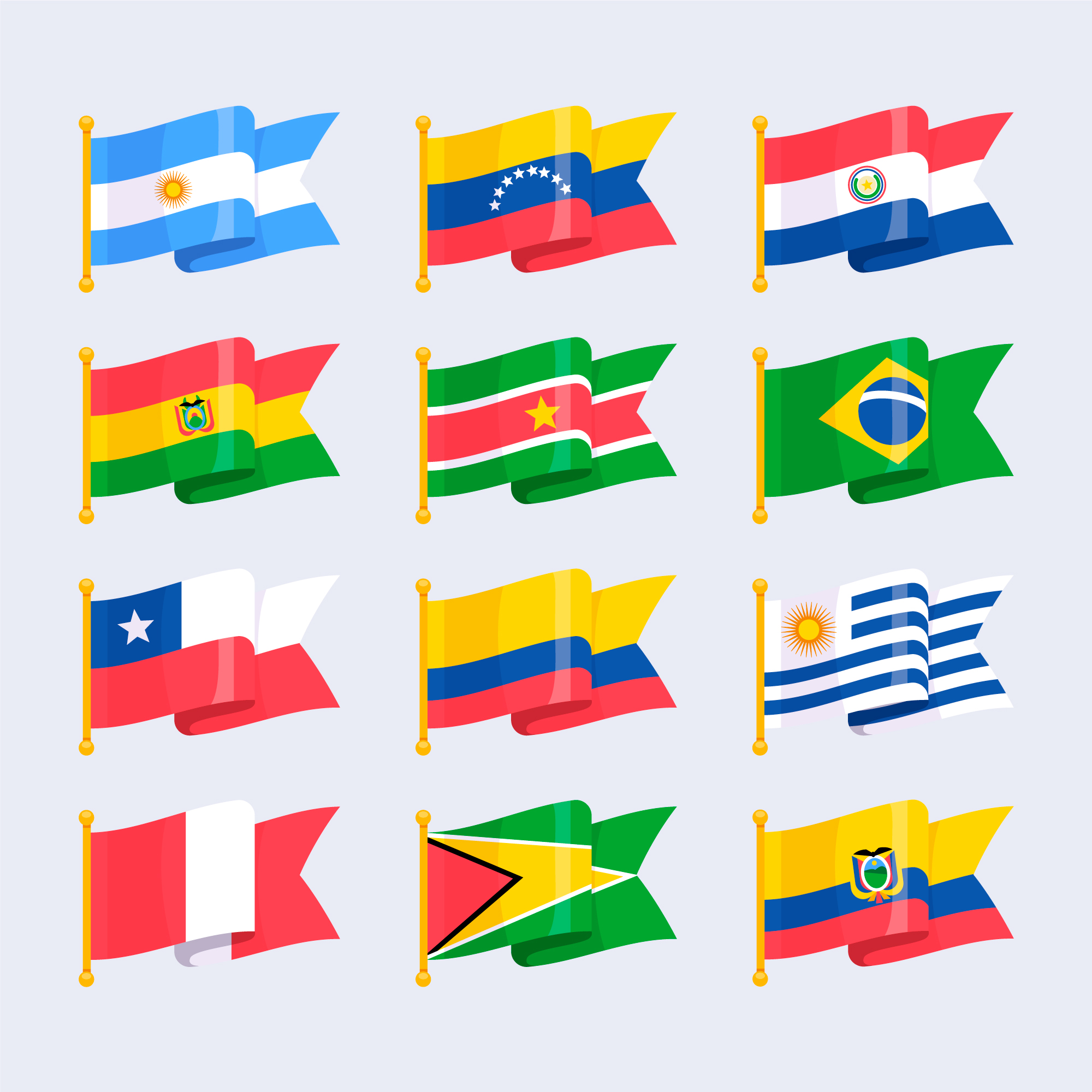
They creep out of the shadows, changing their political colors to whatever is most popular as elections draw near. Once in power, the cycle repeats, as they modify priorities to prepare for a reelection. They can be loud in shameless denial of their past, or they can switch between political parties when they think no one is watching. They are political chameleons: masters in maneuvering around ideology, switching gears as the times dictate.
Political chameleons are those who engage “in a type of social shape-shifting in order to blend in with those [they are] surrounded by.” This flexibility helps average voters fit into different social contexts. However, it can be dangerous when political leaders adopt this behavior in policymaking roles with no accountability to their previous words or policies. They exist globally, but Latin America has been a particularly fertile environment for their success. Figures like Ollanta Humala, former President and military official in Peru, reflect how volatile party systems and personalist politics create ripe conditions for political chameleons to thrive in. Today, the direct digital access to voters granted by social media accelerates this process, fertilizing the ground for political chameleons to rise.
Across the region, traditional parties are losing strength as alternative parties emerge. These alternative parties allow politicians to reinvent themselves and their politics without carrying any direct political legacy. This phenomenon has fostered an unpredictable political landscape in several Latin American countries such as Colombia, Argentina, Peru, and Brazil. Colombia has seen rapid party turnover with its last six presidents being from different political parties. A key driver of this phenomenon is the increasing instability of the electoral market, which is characterized by weak partisanship. As ideology stops being an anchor, it is easy to fracture political memory. With elections approaching in Colombia, Peru, and Brazil, we must shift our attention to the danger that weakened parties present to voters attempting to decipher the truth without knowing exactly where politicians’ loyalties lie.
Simultaneously, digital political communication has transformed how elections are won in Latin America. “Cyberpolitics,” or the use of the internet to spread and consume political information, has democratized elections by providing voters direct interaction with politicians. However, it has also become the stage for “personalized, campaign-driven politics.” Today, social media feeds are filled with politicians’ trips to “help” Indigenous communities they otherwise antagonize in times of protest, or their creation of a soccer-inspired “team” whose only purpose is opposing the current Colombian president. These politicians rely on the buzzing polarization of public opinion, rather than a clear ideological standpoint, to create their brand. The digital accessibility of their public persona turns attention away from their platforms and policy proposals. It is within this context of electoral volatility and increased social media attention that the political chameleon flourishes.
To see the chameleon unfold, look to Peru. Former president Ollanta Humala is a key example. In the years leading up to his election, the nation’s traditional party system collapsed. Amid public fear of corruption and a lack of diverse ideological representation, new parties and coalitions formed, each one focused on advancing an individual candidate. Humala ran under the coalition “Peru Wins,” composed of several socialist and left-leaning parties. His campaign promises, summarized in his plan for a “Great Transformation,” condemned the foreign exploitation of national resources and highlighted a focus on developing national production and markets.
Elected president of Peru on June 5, 2011, Humala’s political platform represented a leftward shift from the conservative authoritarianism of his predecessor. However, by the six-month mark, Humala had already engaged in economic reform in ways that directly contradicted his progressive campaign promises. Humala opened the country to interventions like the Minas Conga Project, where an American company, Newmont Mining, would proceed to destroy water sources for farming communities in the area.
Humala’s strategic moderation to favor a more centrist voter segment was clear to many, including political analyst Eduardo Ballón, who argued that his moderation was done in electoral convenience to better position himself in his second run for the presidency. When his government began to leave behind the initial rhetoric, there was little that could be done about his departure from the principles of his election platform. A champion of social policy, his Pension 65 plan provided basic safety nets for the elderly and he later raised the minimum wage by 25 percent. He remained president until the end of his term, but the contrast between his campaign and decisions in office cost him the support of fellow party members and much of the public—by the end of his term, he had an approval rate of a mere 19 percent.
Though Humala’s case predated the social media boom in Latin American politics, it serves as a cautionary tale of how ideological flexibility can succeed where parties are weak and voters have no institutional mechanisms to hold leaders accountable to their promises. In his case, though he had little public support, he was able to remain in power. Today, social media accelerates the success of political chameleons by amplifying the personalist political platform and emphasizing public personas. Figures like Abelardo de la Espriella, a contender in the Colombian presidency race, demonstrate the usefulness of the digital world as a tool for reshaping political brands. Though not a chameleon in the strict political sense, Espriella’s carefully constructed anti-corruption, family-centered strongman image contradicts his past. On his social media, he refers to himself as a tiger who will condemn organized crime, corruption, and extortion, turning a blind eye to how his past clients include the Nule family, now condemned for the biggest bid-rigging scandal in Colombia’s recent history. His strong marketing focused on straightforward messaging waters down the nuances that hide in his legal and professional history.
For voters to be able to hold government authorities accountable, they must first understand how new political parties serve as a launchpad for personalist politics that lack ideological structure. This awareness is the first step to meaningful democratic engagement. Accountability can also be strengthened through social monitoring initiatives and official monitors such as defensorías del pueblo, or institutions that provide citizens a formal way to voice their concerns. The key lies in ensuring that there are direct ways for voters to communicate dissatisfaction and struggles beyond just the polls. Ultimately, a chameleon does not have to be a villain; after all, adaptation is crucial in politics. But without facing accountability for unrealized promises, the ability to reinvent oneself becomes self-serving rather than public serving.
Cover image designed by Freepik (https://www.freepik.com/)