It is impossible to be bored on Año Viejo (New Year’s Eve) in Ecuador’s capital city. The country blends rich traditions typical of many Latin American countries — like eating las doce uvas de la suerte, twelve grapes each bestowed with a wish for the new year — with customs more unique to Ecuador and its surrounding regions, which perfectly exemplify the nation’s playfulness, vibrant energy, and unparalleled lust for celebration. A newcomer will first be drawn to the thousands of monigotes — also known as años viejos — flooding Avenida Amazonas and nearby streets. These effigies, made from papier-mâché or rag dolls stuffed with paper, sawdust, or fireworks, are paraded through the streets and then promptly burned at midnight in order to cast away the past year’s bad memories, negative energy, and misfortunes. Monigotes are built to resemble everybody from controversial political figures like President Noboa to figures like SpongeBob and Homer Simpson.
As the effigies burn, Ecuadorians jump over the flames twelve times, once for each month of the year. The other half of the equation is just as flashy: thousands of teenage boys and older men use pillows, balloons, wigs, and makeup to take their best shot at impersonating las viudas, or the widows of the smoldering monigotes. These suave groups dance in the streets, indulge in the nation’s best beers, and ask for donations to pay for the “funerals” of their cremated husbands. Some traditions, on the other hand, are harder to notice on the surface; for instance, many Ecuadorians choose to wear yellow underwear on Año Viejo and place a dollar bill in their left shoe in an attempt to usher in prosperity during the New Year. On December 31st, los ecuatorianos of all ages and walks of life take to the streets to burn the old year to ash and dance into whatever the future holds.
In this photo collection, Leyad Zavriyev examines some of the scenes and faces that make New Year’s Eve in Quito so legendary.
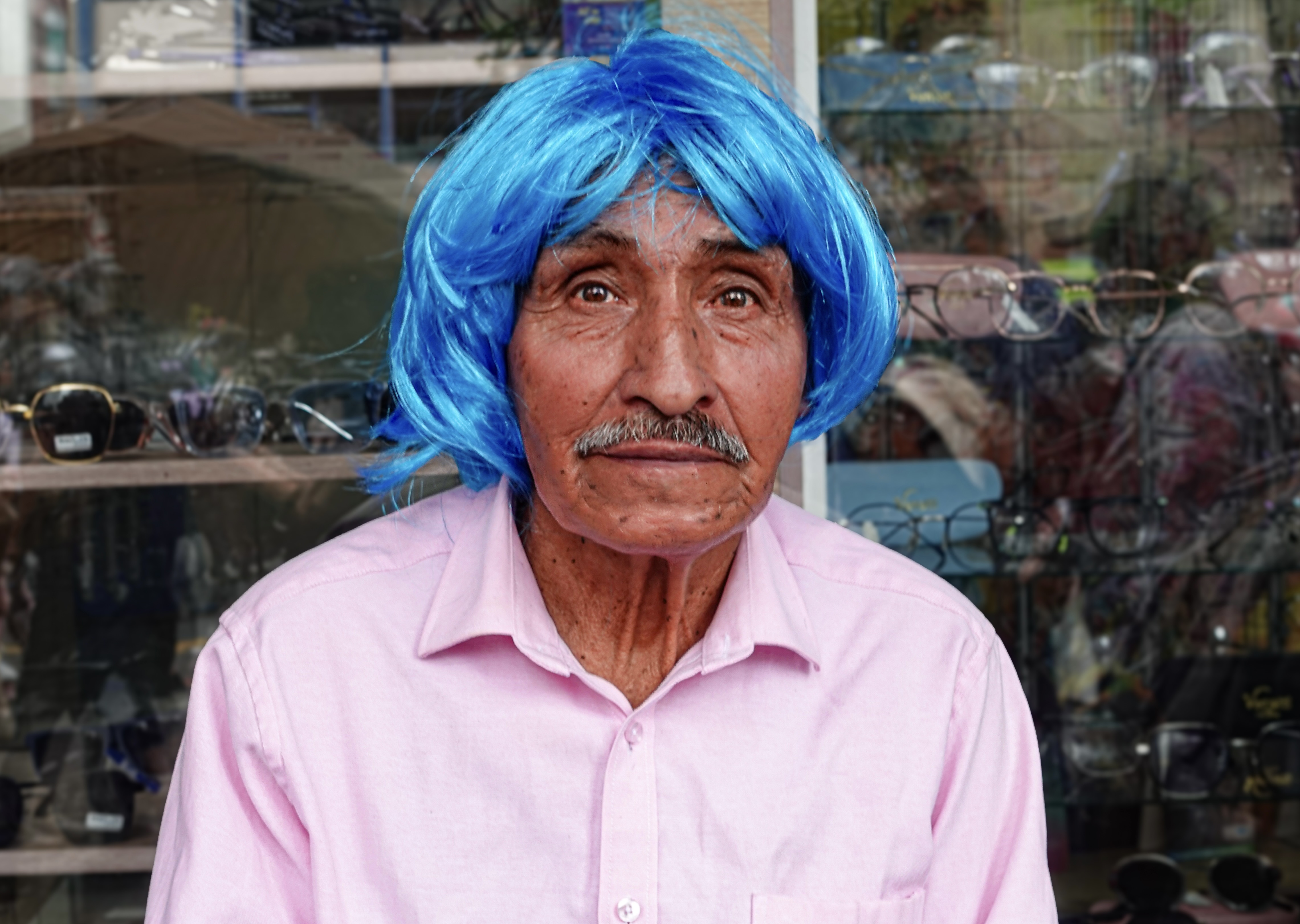
A man dressed as a viuda, a widow of a burnt monigote.
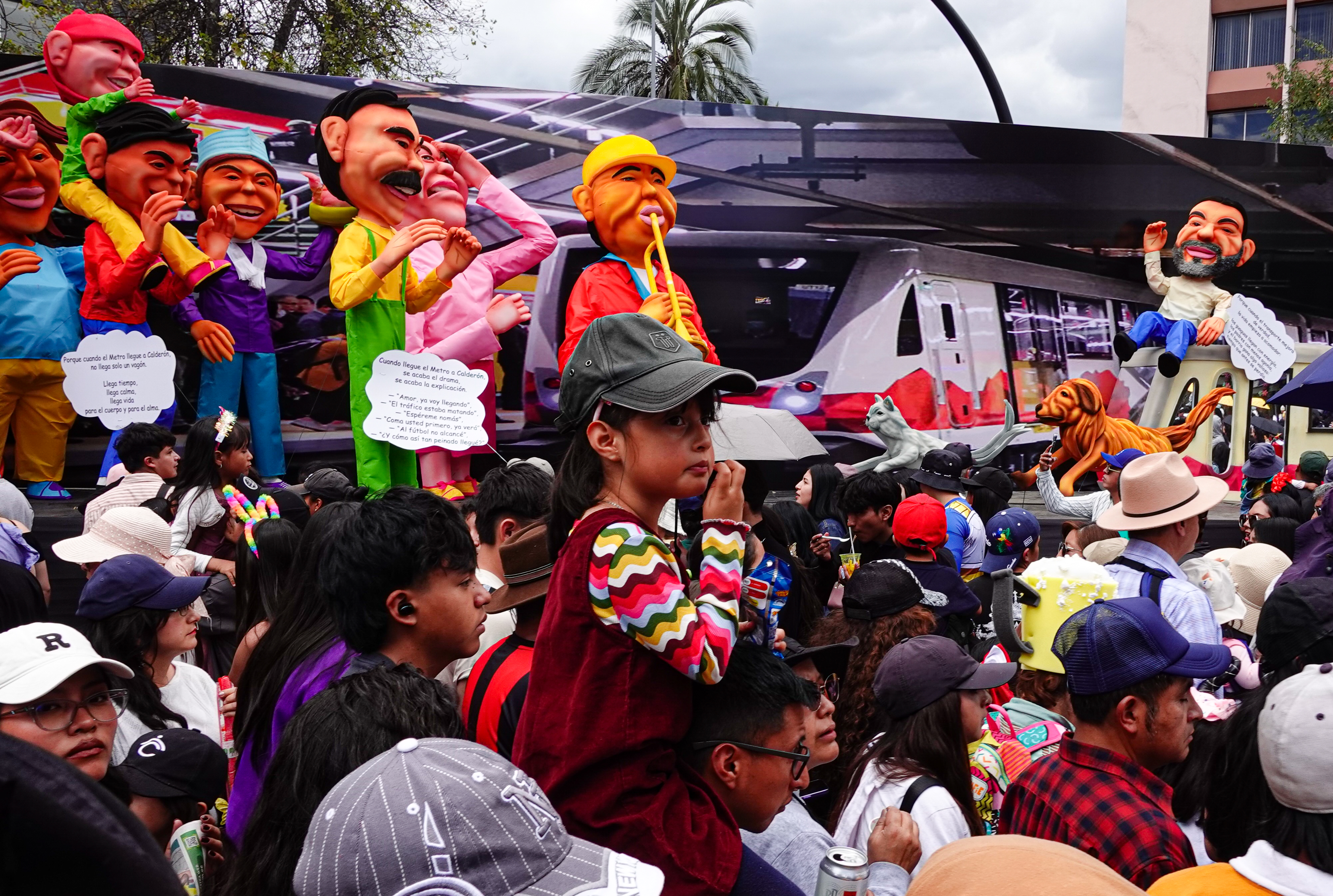
A crowd passes by a group of monigotes carrying signs calling for the extension of Quito’s Metro Line 1 to the northeast neighborhood of Calderón, whose 249,000 inhabitants constitute the largest village in the world. The satirical middle sign, for instance, reads: “When the metro finally reaches Calderón, the drama ends—the explaining is over. ‘Honey, I’m almost there.’ ‘The traffic was absolutely killing me.’ ‘Just wait up for me.’ ‘Go ahead and eat first.’ ‘I didn’t make it to soccer.’ ‘And how do you think I arrived looking so well-groomed?’ “
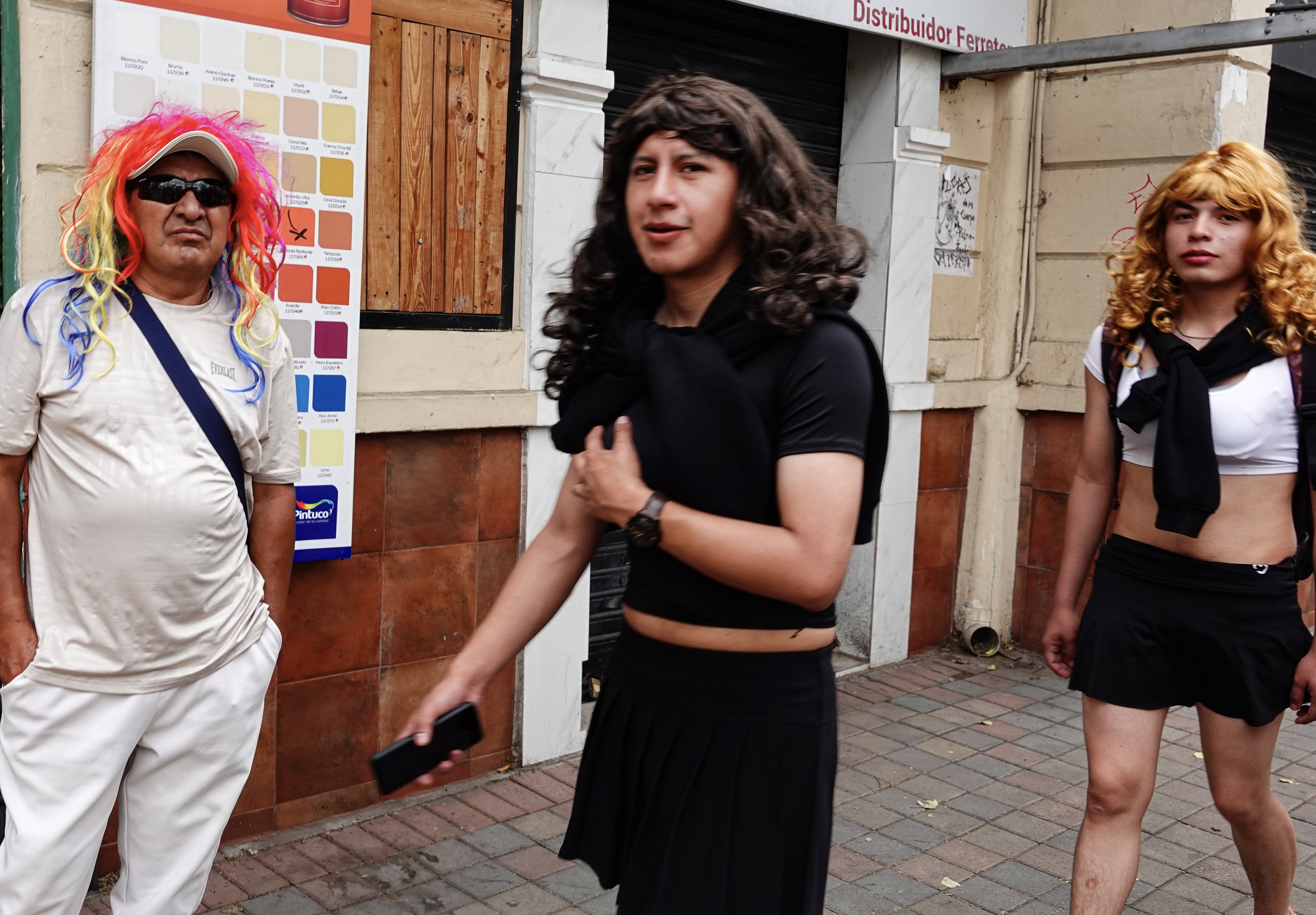
A distinguished group of viudas.
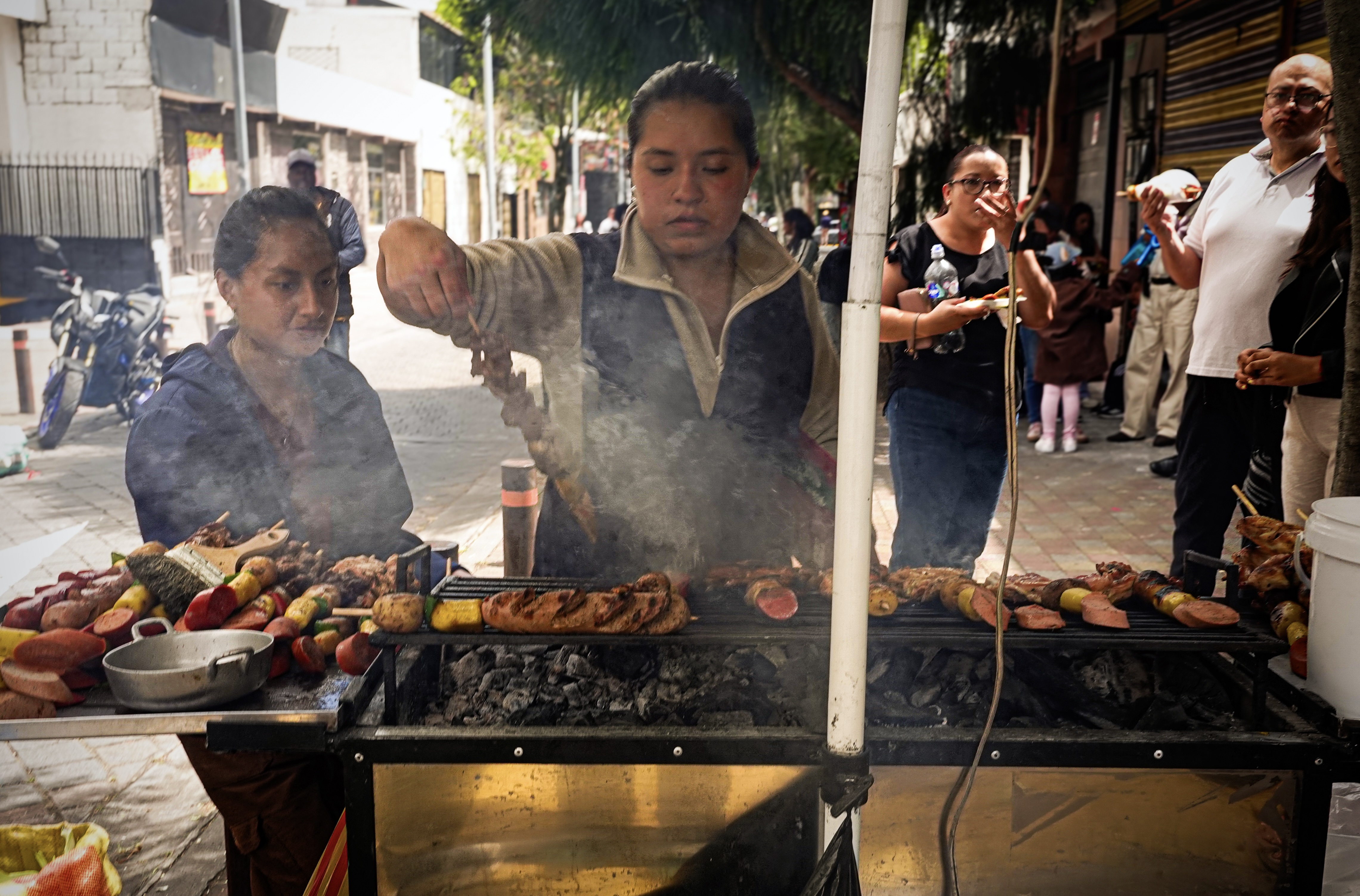
As with most New Year’s celebrations, great food is a non-negotiable.
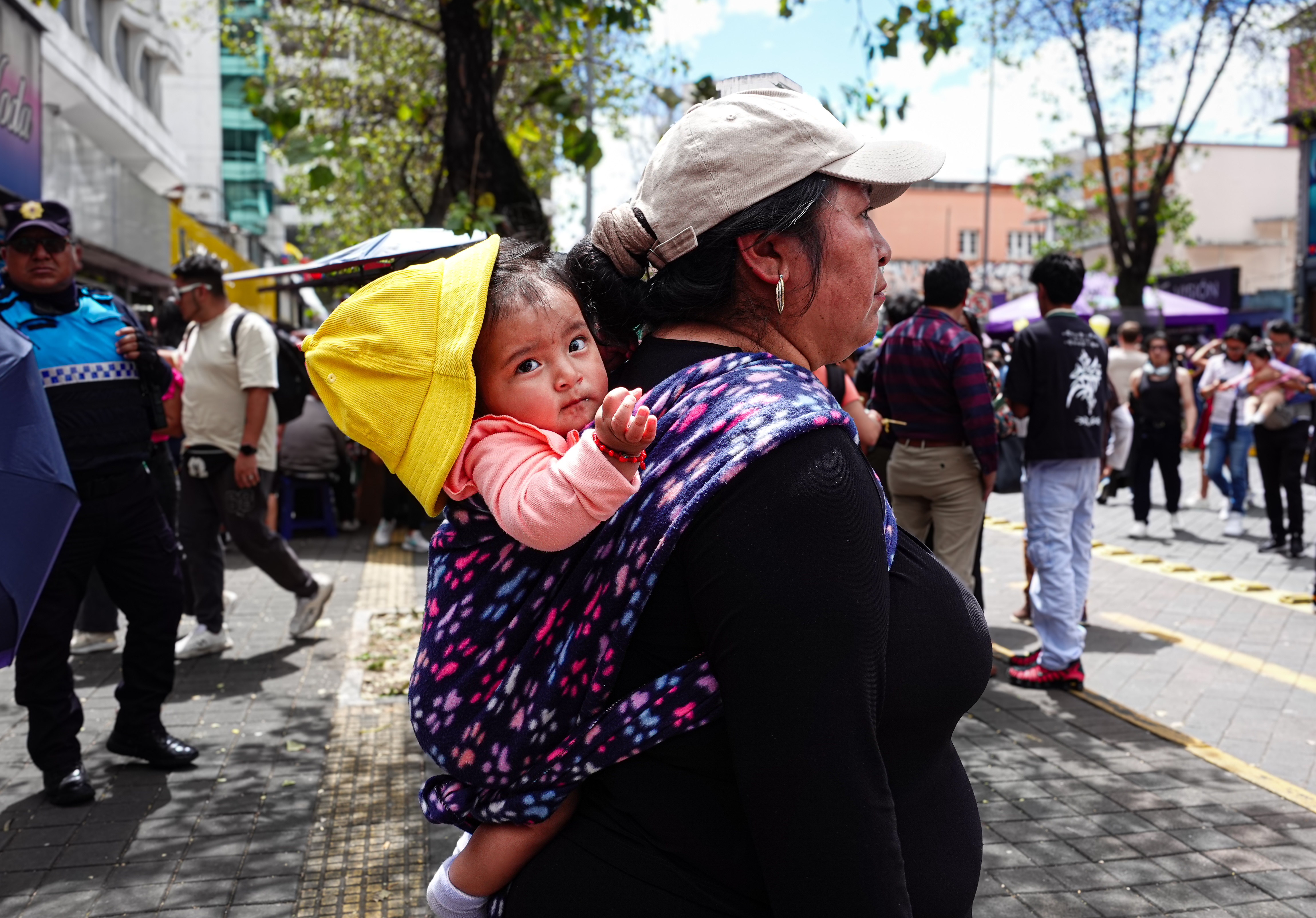
A baby with her mother, who sells candy to local children.
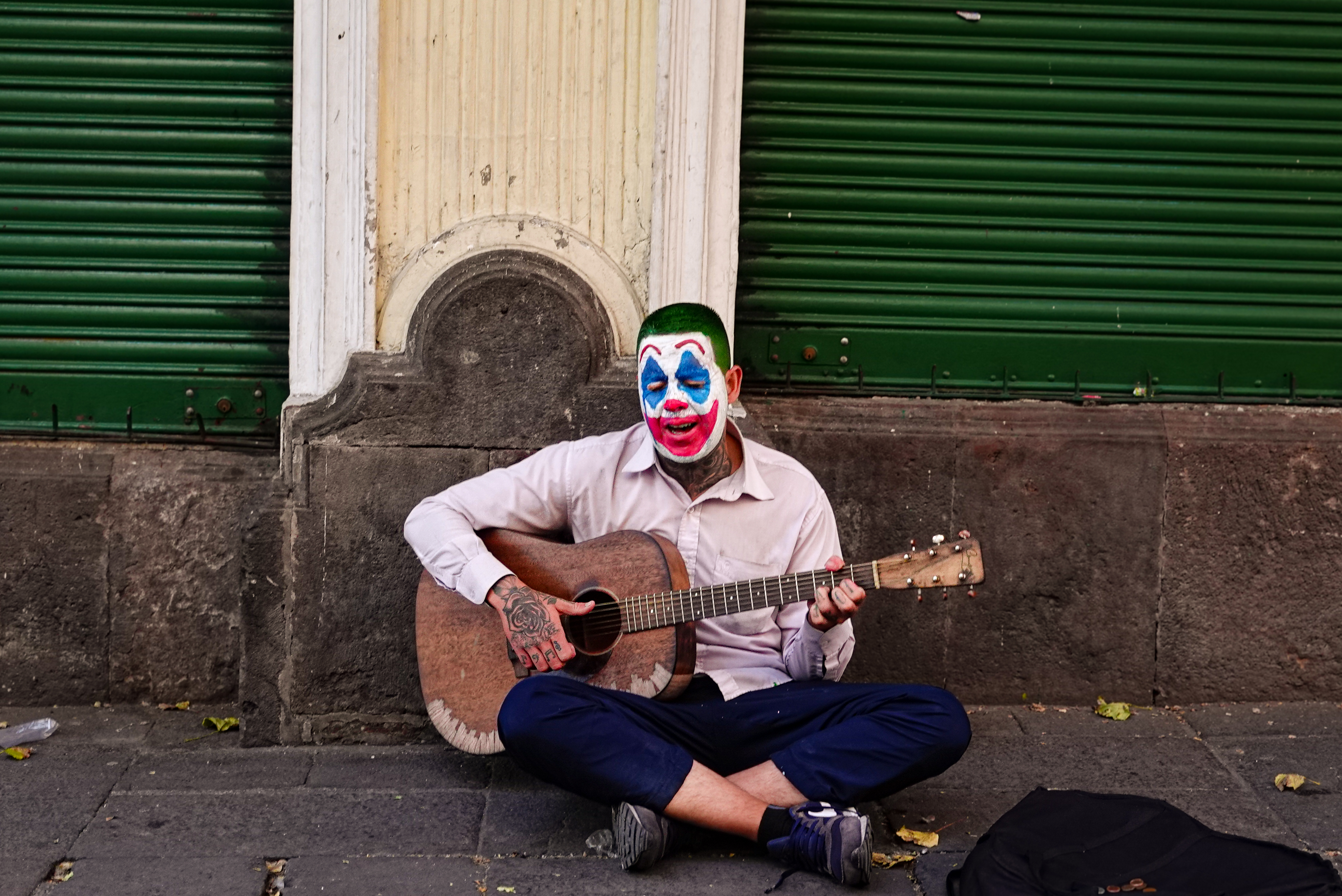
A man busks by the Metro de Quito station.
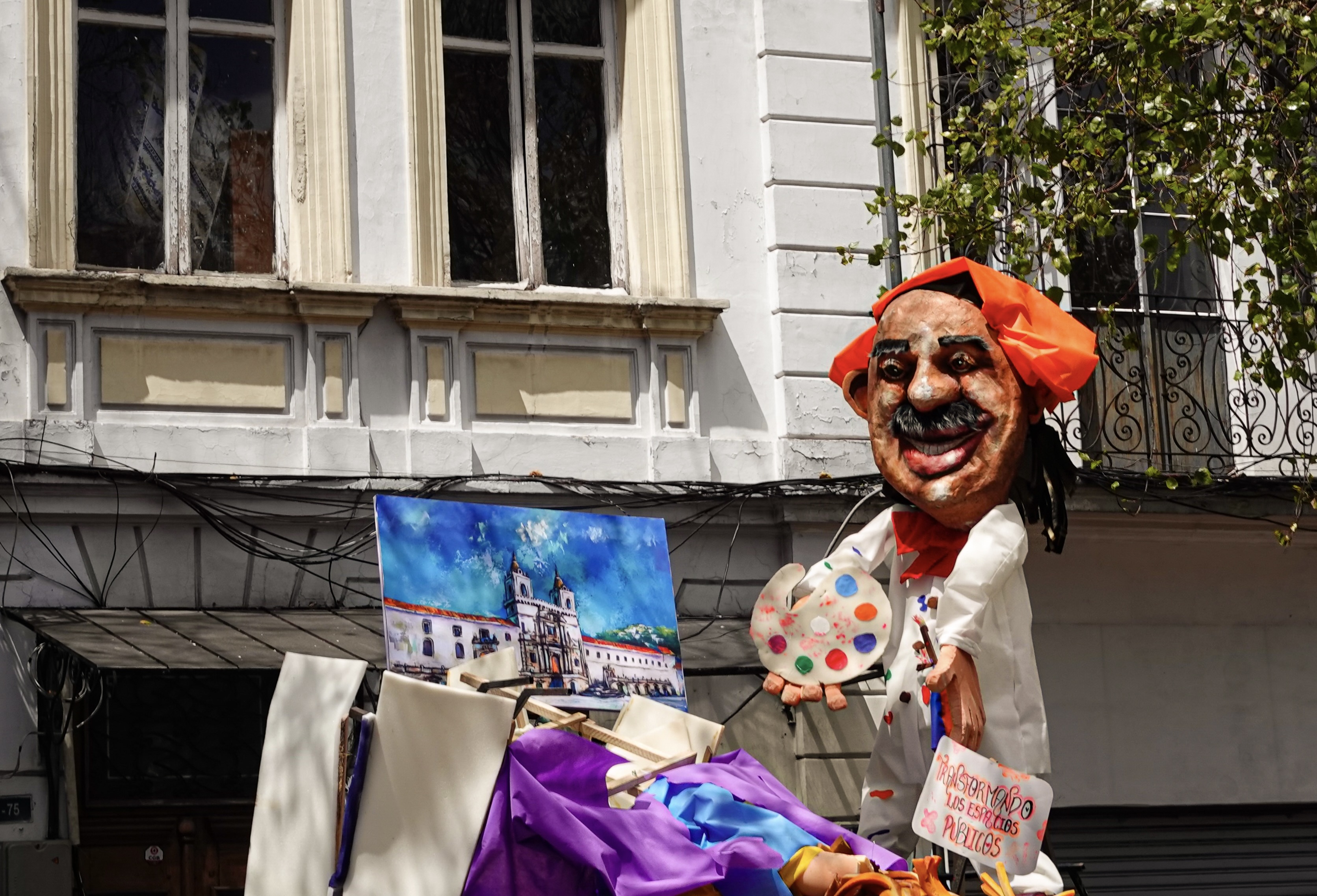
A monigote bearing a sign that reads “transforming public spaces”.
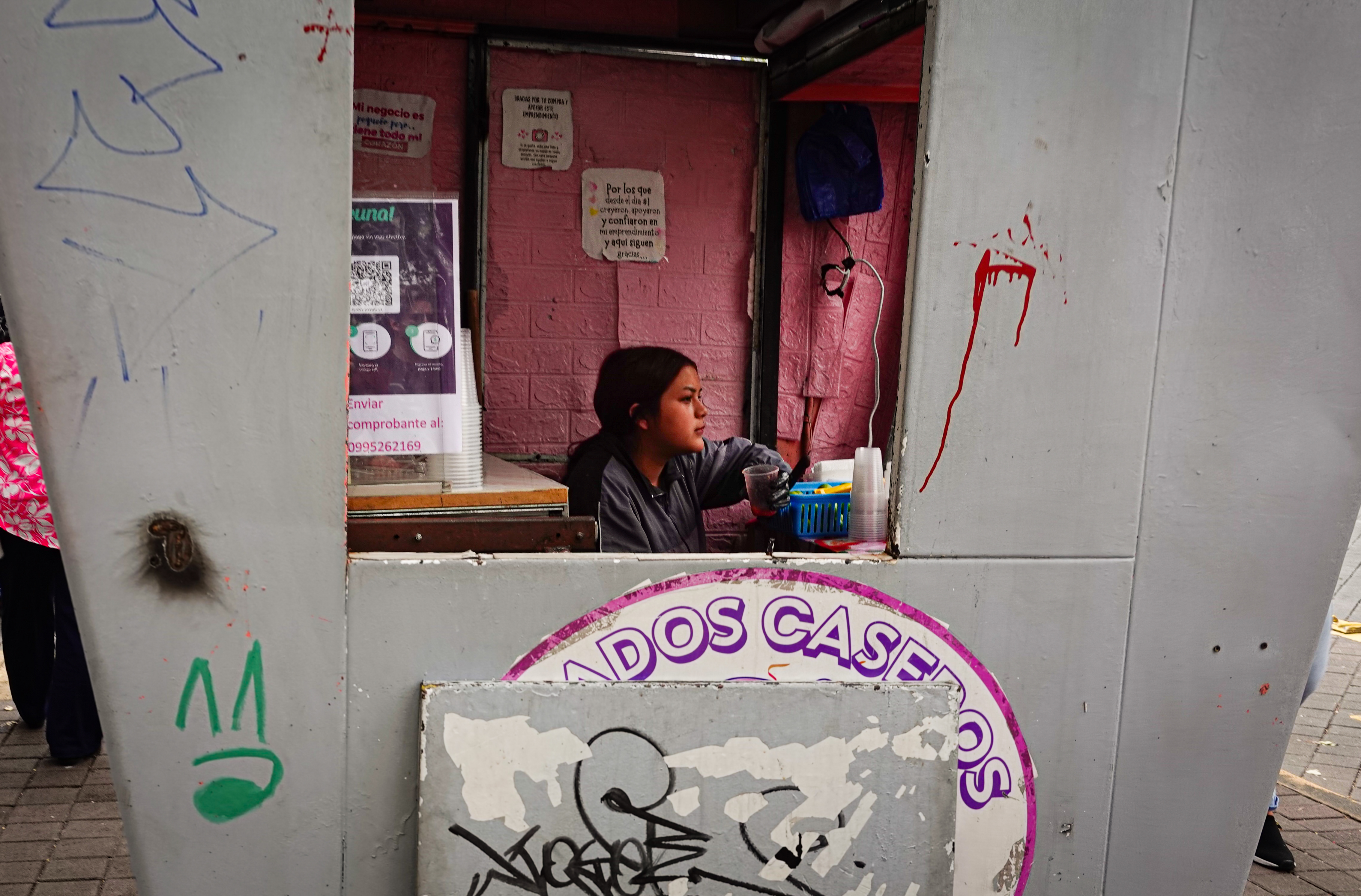
A girl sells freshly-squeezed fruit juice to passerby.
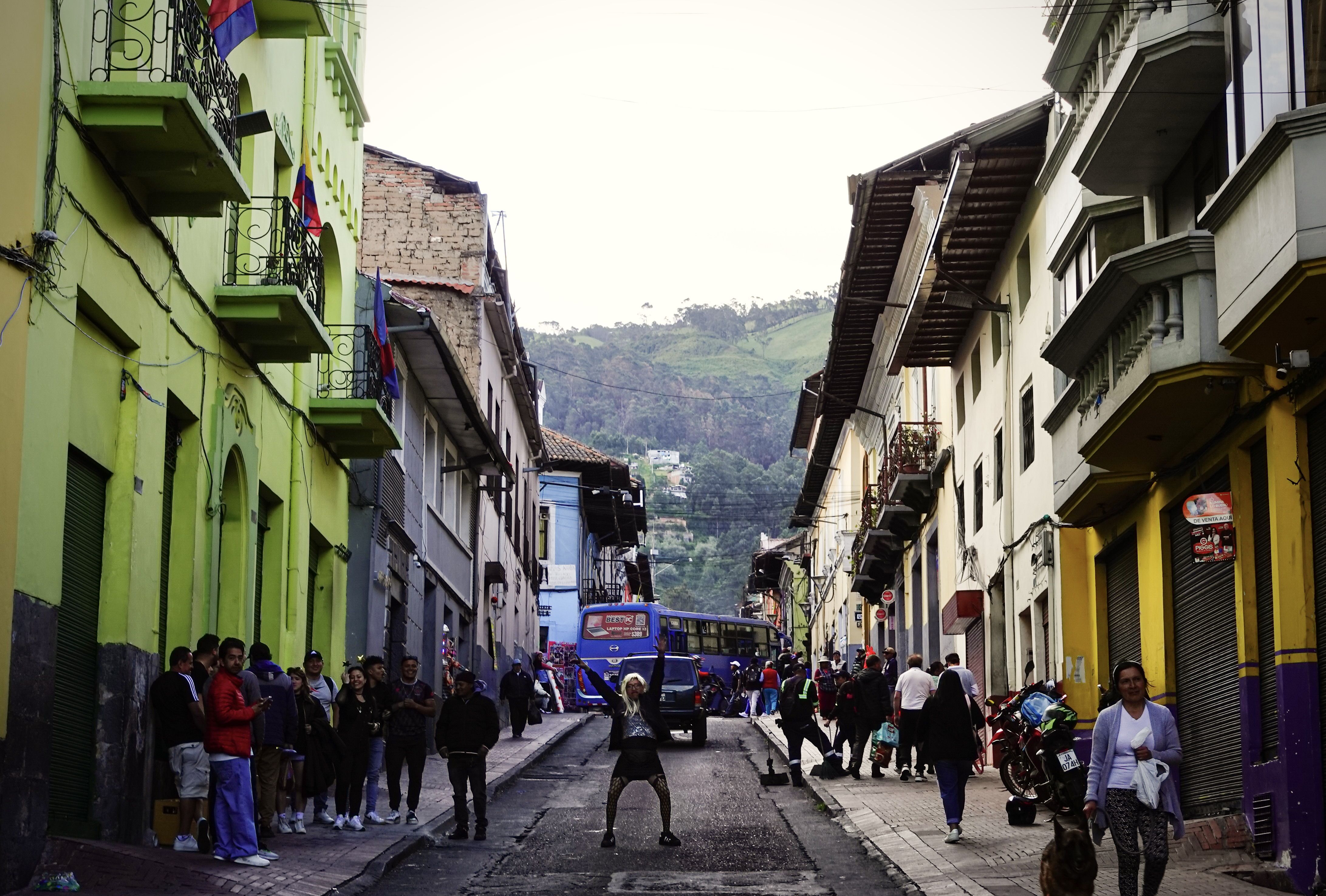
A viuda waits in the street to dance for the next passing car.
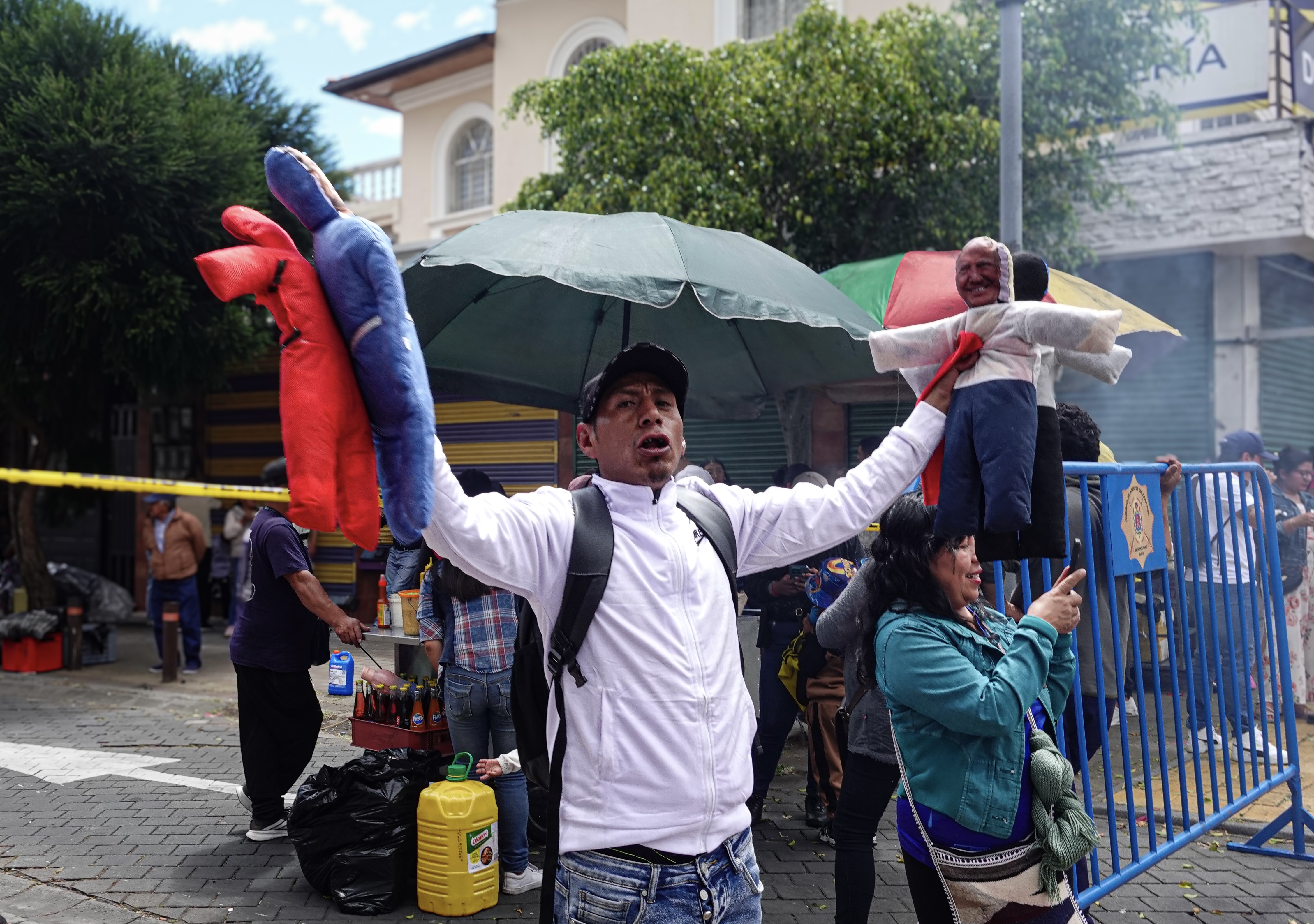
A man sells a small figurine of Donald Trump.
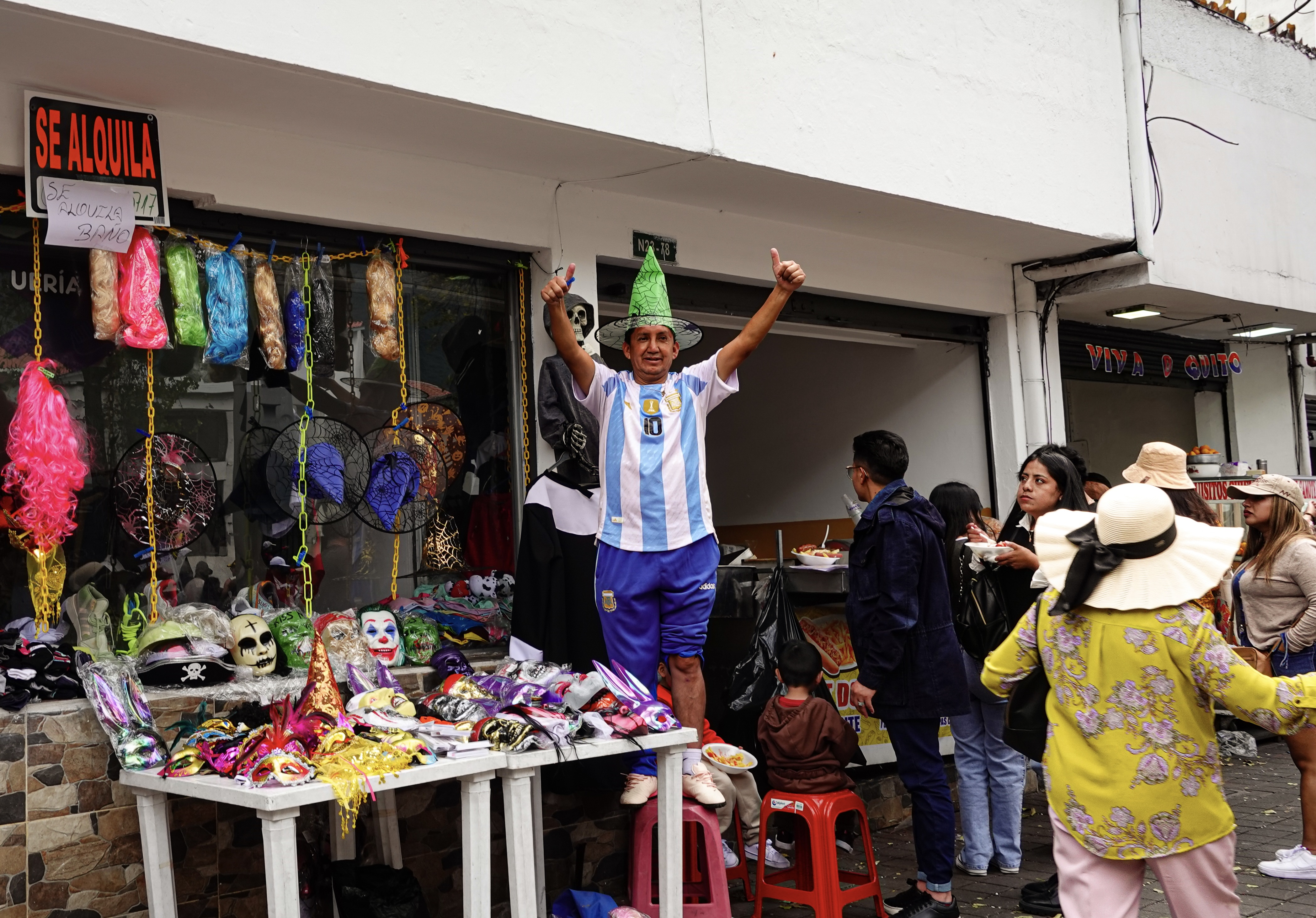
A salesman calls people over to his array of masks and wigs.
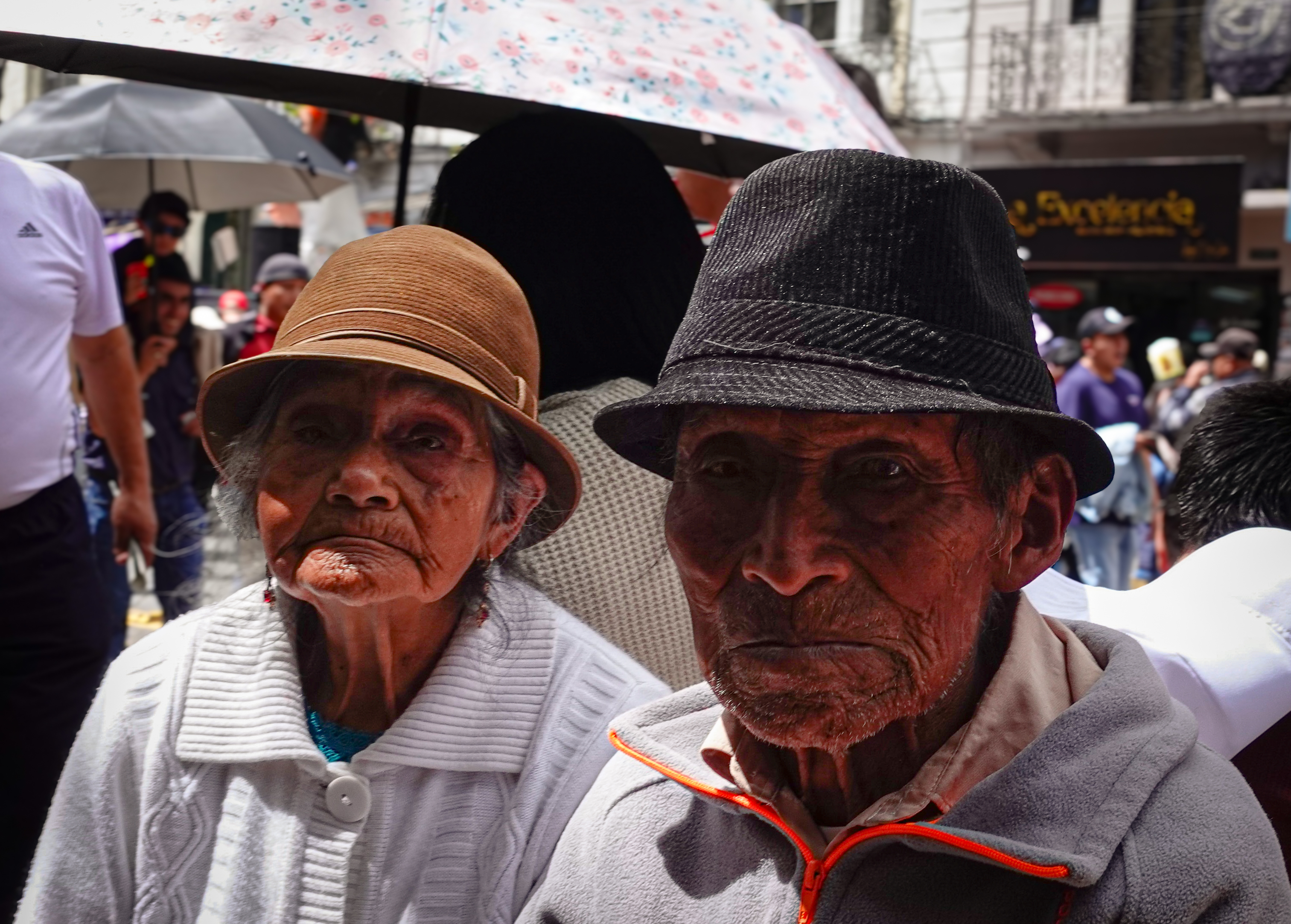
A couple of life-long Quito residents enjoy the Año Viejo festivities.
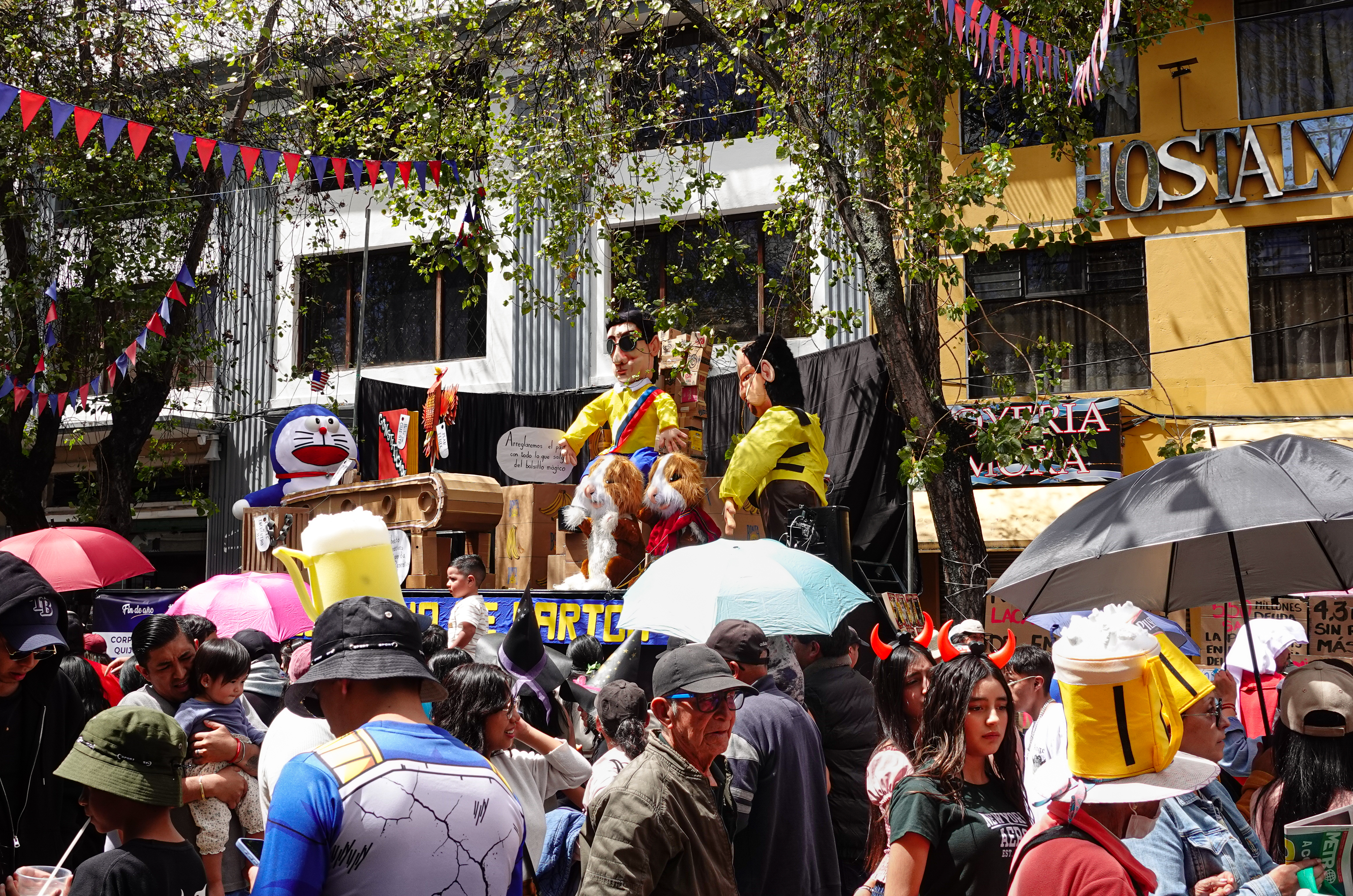
A rendition of President Daniel Noboa reads “We will fix the country with everything that comes out of the magic pocket.” Noboa has been heavily criticized for his authoritarian-like, Bukele-esque approach to organized crime and its failure to address Ecuador’s persistently staggering homicide rates in recent years.
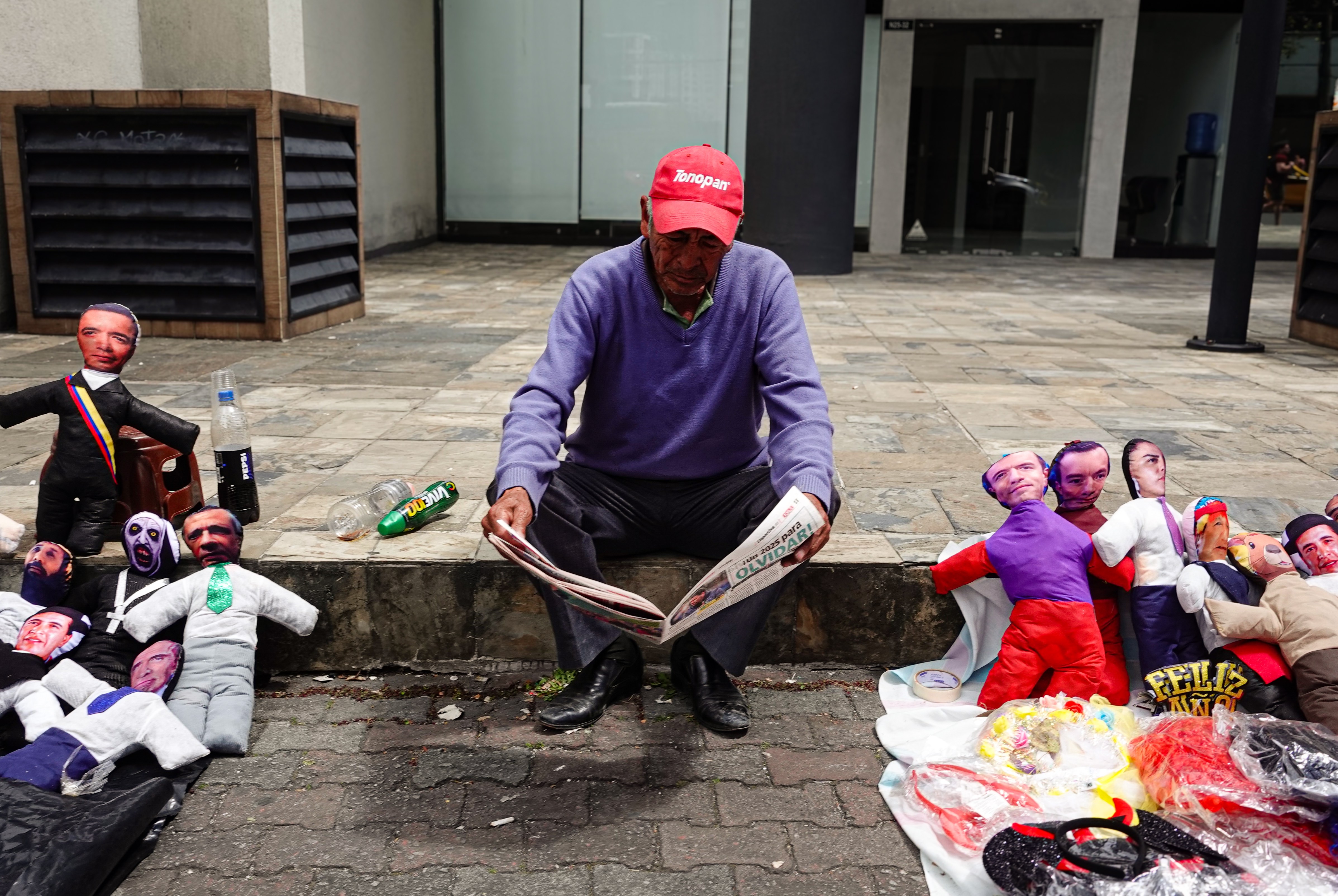
A man sells a collection of monigotes representing various world leaders and other influential figures.