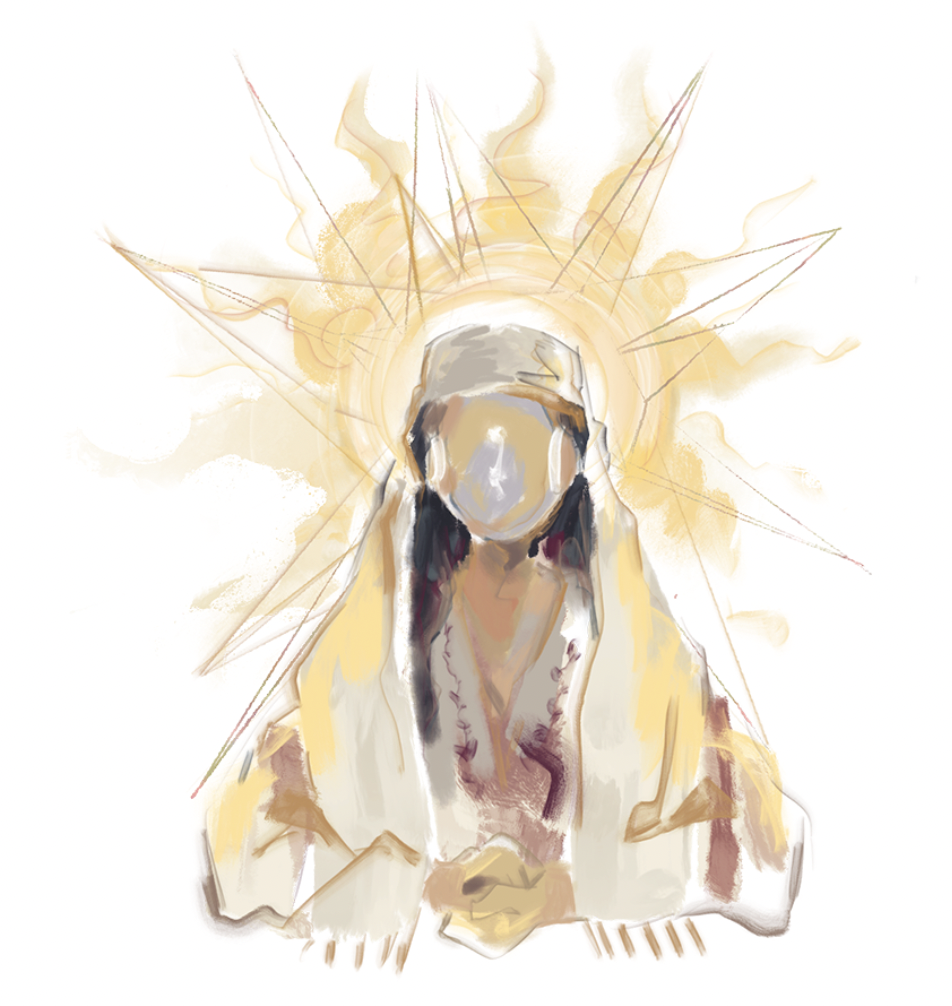
Albania’s newest cabinet member is pregnant…with 83 babies. But do not worry, she is not human. Meet Diella, Albania’s “AI minister.”
Diella was “born” on January 19, 2025, with the job of managing Albania’s ‘e-Albania’ platform, which digitally provides over 1,200 public services to Albanian citizens. From completing school registration to filling out job applications, Diella can help. Since her inception, Diella has stamped 36,000 documents, increasing the accessibility of bureaucratic services.
On September 11, 2025, Prime Minister Edi Rama formally appointed Diella to a new role—AI minister. Her promotion makes Diella responsible for Albania’s billion-dollar public procurement process, in which Albania’s government purchases goods and services from the private sector. Public procurement is a hotbed for governmental corruption in Albania: The country scored a 42 out of 100 on the 2024 Corruption Perceptions Index, which scores countries on their public sector corruption. By evaluating each tender, assessing its merit, and deciding whether or not to award a contract to the private firm seeking the tender, Diella will supposedly prevent public procurement corruption, an issue that has plagued Rama’s government.
For Rama, Diella’s “incorruptibility” is a key mechanism to joining the EU by 2030—a major campaign promise of Rama’s that has been impeded by Albania’s decades-long struggle with corruption. In recent years, Albania has grown closer to accession into the EU, only needing to meet one final cluster of policy criteria—fundamentals—which includes public procurement forms.
The use of Diella as an anticorruption measure by Rama has been marketed as a groundbreaking innovation. After all, Diella is the first AI system to serve in any country’s cabinet. However, while Diella’s professed purpose is to win EU favor by eliminating corruption and advancing technology’s role in government, her appointment acts more as a propaganda tool for Rama’s administration. As Diella’s parliamentary presence proliferates with the announcement of her babies, Rama risks creating an unchecked political entity that can sway government policies. Diella’s lack of oversight, dependence on American technology firms, and undemocratic ties to Rama’s Socialist Party instead threaten to compromise Albania’s path to EU accession and jeopardize the country’s long-term democratic development.
Diella, meaning “sun” or “sunshine” in Albanian, is depicted as a young woman in traditional Albanian wear—propagandizing the party’s desire to “eliminate corruption” as a national duty. Rama embeds Albanian nationalism within Diella’s visual display to signal a unified, traditional Albanian identity that predates globalization—all while paradoxically achieving this through a novel usage of artificial intelligence.
Diella is presented as an accountability-providing force for Albania’s government but no political mechanisms hold her accountable. She cannot be impeached; she is not real. Therefore, what happens if she makes a harmful decision? AI models, too, feature bias based on their decision-making data, and Diella’s data is undisclosed. Diella’s model is designed by Albania’s National Agency for Information Society (AKSHI), which reports directly to Rama. Biased training data and other design choices, as well as the lack of transparency, shape Diella into a political device that will likely decrease accountability for Rama and his Socialist Party allies rather than providing a source of neutrality as an independent actor. With AI in charge, any blame for corruption in public procurement can be shifted away from Rama’s administration and onto Diella.
While Diella brings data privacy concerns and obscures political neutrality, what is known is that her model is built using foreign technology—another challenge to holding Diella accountable. Diella runs on Microsoft Azure with OpenAI models, both of which are US platforms. While AKSHI provides Albanian government data, Diella’s decision-making is determined by US technology, rendering her dependent on the United States to appropriately protect sensitive information. The Albanian government cannot monitor the decisions of these US tech firms in the way that it can monitor Albanian companies, since US technology companies remain largely outside the purview of the Albanian government.
Although Diella has been championed as an effective method of decreasing corruption for EU accession, she does so by shirking the EU’s own AI guidelines. The EU’s 2024 AI Act outlines AI-related regulations that Albania currently does not follow, including the requirement to provide a summary of what content is being used to train Diella. Because Diella provides access to critical infrastructure, she is considered a “high-risk” system and must receive oversight by an independent “national competent authority” that Albania has yet to instate.
Furthermore, Diella’s newly announced “babies” are a domestic threat to effective democracy because they privilege Rama’s Socialist Party. Diella’s 83 ‘children’ will serve as assistants, recording legislative sessions and offering policy suggestions. But only the Socialist Party’s 83 parliamentarians can access them, marking a clear partisan divide in which government officials can benefit from Diella’s assistance. As Diella becomes a minister—and thus increasingly important in the government—gatekeeping access to her becomes democratically problematic. If Rama’s technology-forward vision excludes many of the politicians that Albanians elected, it dangerously skews the country’s political system in favor of the Socialist Party.
Diella, in her ministerial role, is a microcosm of the Rama regime’s contradictory politics regarding democracy and corruption in Albania. Rama has served as Albania’s prime minister since 2013, winning reelection most recently in 2025. During this election, which occurred on May 11, Rama bused Socialist Party workers to rallies in support of him and stationed his supporters at polling stations, manufacturing an image of broad support to intimidate opposition voters. Prior to the election, he blocked TikTok on the grounds that it harms youth mental health—but this action, as opposition leaders argued, was intended to silence dissent. Rama champions the protection of the rule of law in Albania—an EU necessity. But his opposition suppression tactics, including selective access for Diella’s babies, counter any democratic gains.
For Rama, holding his own party accountable risks losing the crucial support that he needs to hold a majority in Parliament, allowing him to be the sole governing prime minister. Yet, he can dismiss any opponents to Diella as opponents to his fight on corruption itself—thus villainizing them as roadblocks to Albania’s modernization. A propagandized crusade against corruption through a groundbreaking inclusion of AI in governmental processes gives Rama both the EU support he needs and the shiny facade to cover up the suppression of his opponents. Diella’s AI ministry looks to be another chapter in Albania’s history of corruption rather than an answer for it. In the meantime, observers will be waiting to see when her babies take their first steps in Parliament.