The BPR High School Program invites student writers to research, draft, and edit a college-level opinion article over the course of a semester. Nina Suellentrop is a sophomore at East Greenwich High School.
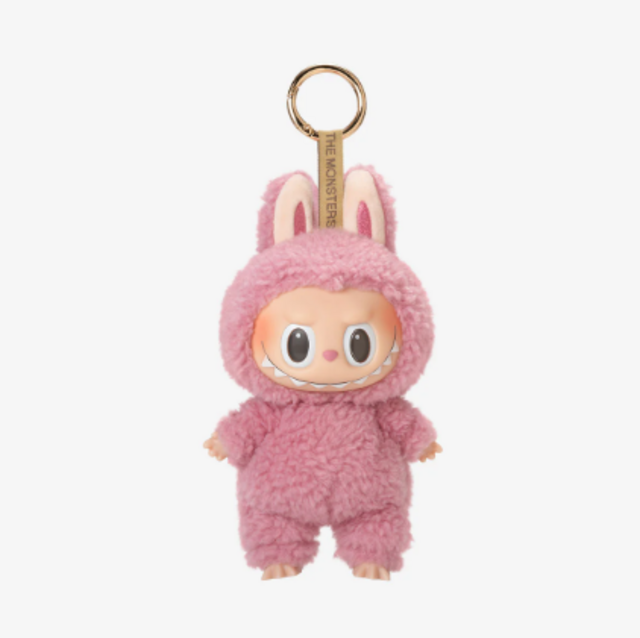
Fuzzy dolls with huge toothy grins have invaded the internet and the public eye, worming their way onto social media feeds and handbags alike. The odd plush-toy collectible in question: the Labubu. Stranger still, it is not children who are buying Labubus, but grown adults. Adults have officially overtaken children aged three to five in the purchase of toys, with Labubus being most popular with women from 18 to 30 years old. Labubus, the odd cute-ugly doll driving sales and attention, are a significant part of a current collectible craze that can be explained as a pendulum reaction to modern stress, as well as luxury spending shifts, and work-life imbalance caused by the COVID-19 Pandemic.
With #labubu displaying over a million posts on TikTok as of June 2025, the modern popularity of Labubus is extreme, creating vast wealth for its parent company and triggering instant recognition from nearly everyone on social media. The massive jump in adults buying toys like the Labubu exploded recently, with a 38 percent increase in people over 18 years old purchasing toys usually reserved for children since 2019 in the United States alone.
The popularity of Labububs is often explained simply: The reason the popularity of plush-toy collectibles, like Labubus, is so amplified is due to social media. When people see that so many others have these toys through social media posts, they buy the toys too. The algorithms that social media companies use to garner interaction drive oddities like Labubus to the surface of for-you-pages, where billions come to see and desire them. The attention grabbing techniques that PopMart (the company that produces Labubus) employs, like blind boxes and wait lists, also contribute to the craze by building tension and mystery. We have long liked having little collectible items around and following trends, it’s just a little more pronounced nowadays. However, there are greater forces orchestrating the Labubu invasion than mere algorithms or clever marketing.
The Coronavirus pandemic resulted in many rapid societal changes in crucial aspects of daily lives. The way that the COVID-19 virus changed how people lived and interacted drove drastic alterations in spending habits. Purchases of in-person experiences like shared dinners and travel were deemphasized in favor of physical items which could be enjoyed alone. The effects of these luxury spending shifts caused an increase in the purchases of items like the Labubu, and the shifts continued to unfold in the years after the pandemic concluded.
PopMart reported a 700 percent increase in Labubu sales in 2024 alone. In the first half of 2025, Labubu sales skyrocketed with more than $785 million in international sales. On StockX, an online resale site, PopMart had twice as many sales in June 2025 as it did in January. However, the popularity of Labubus has also generated “Lafufus”, or fake Labubus. In September, Customs and Border Patrol seized over eleven thousand Lafufus valued at more than half-a-million dollars being sold illegally in Seattle. Statistics like these represent the exponential growth PopMart has had over the past years, both in popular appeal and sales, but these numbers also demonstrate the effects that COVID had on personal luxury spending habits.
The Pandemic also notoriously proliferated virtual, at-home work, a fundamental shift in an important aspect in adult life. Since the end of the pandemic, more people have been working at home. In the first quarter of 2024, 35.5 million people worked at home, an increase of 5.1 million over the year. The invasion of working, or “adulting”, into all areas of life had commenced. How did the victims of work-life imbalance fight back? They fortified their whimsy and flights of fancy with childlike plush toys like Labubus. The theory of “kidulting” indicates that adults are nostalgically reaching back into their childhood. Objects, usually toys, from one’s childhood are often associated with comfort and less stressful times.
Beyond the office clutter spilling into the living room, other stresses with adults are rising. Typical adult milestones like home ownership are becoming increasingly unachievable for many, especially the younger generations, and as people seek reassurance and relaxation, they purchase items that remind them of their childhood. PopMart leaned into this, posting Labubu ads that gear towards consumers who despise Mondays, drink copious amounts of coffee, and only wear work clothes on top when on Zoom calls. PopMart knows that their biggest market is no longer kids who like fluffy toys but adults who wish that they were still kids, or at least that they still lived in the less stressful times that came with childhood.
The elevated stress levels in recent times have further contributed to the Labubu phenomenon. When people open the news, many feel like an incredible doom is looming over the world. Politics, the economy, health concerns, and natural disaster-related issues have been rising and proliferating in the news during and after the Coronavirus pandemic. A more chaotic environment, projected through the news, has inevitably led to a more stressed population. All of this extreme tension requires a release somewhere, especially over things so far outside of an individual’s control. One can find this in small purchases, like a lipstick, a new game, a Labubu, or even a Lafufu, creating small dopamine hits that are pleasurable to experience. Buying a small luxury product can make you feel better, more independent, happier, and less stressed, a well documented and researched effect. Some of the explanation behind the Labubu craze, as well as the proliferation of collectibles, originates here. It isn’t only the Labubu that you crave, it is the psychological boost that comes from purchasing such an item. During a tumultuous time, the Labubu is a coping mechanism for the stress woven throughout modern life.
The near-fanaticism of Labubu buyers in recent years tells a fascinating story about societal and economic factors that influence people in their daily lives. The pandemic’s cultural changes caused huge ripple effects, from the dynamics of human interaction to the structure of employment. As new trends rise and fall, modern life can seem to be accelerating and evolving in ways that are often increasingly strange. The Labubu serves as a prime example of the odd, powerful, adaptive force of society when faced with changes and challenges, in the shape of a fuzzy little body and a huge, sharp-toothed smirk.