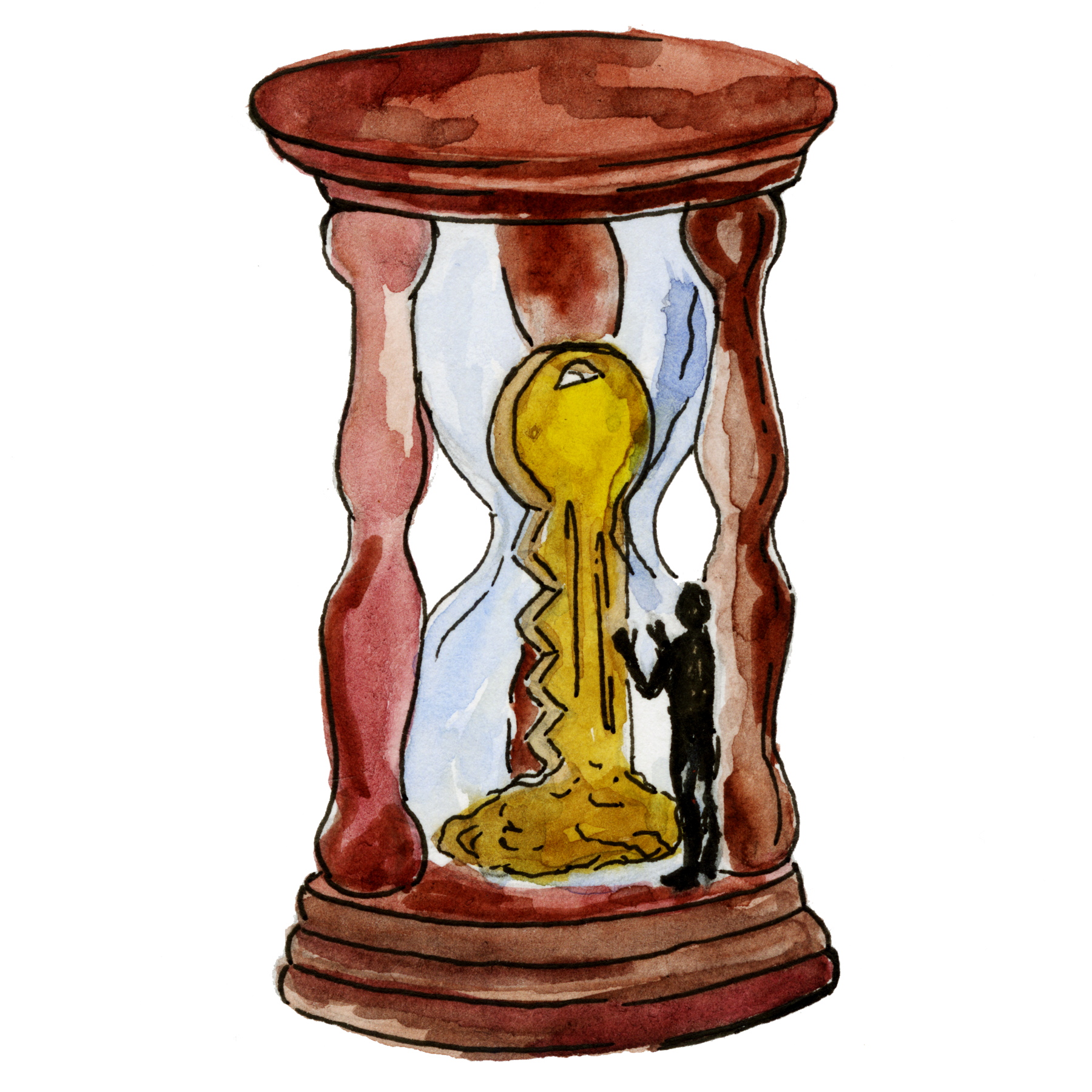
Players of popular open-world racing game The Crew knew the servers would eventually shut down. Ubisoft had announced the game’s end date well in advance — but when that day arrived, it vanished from players’ libraries, with no ‘offline mode’ and no way to access what they had previously purchased. The shock was not just in losing a video game, but in realizing that what the users had understood as “ownership” had quietly meant something different all along.
Historically, purchasing a product has meant permanent ownership over the item: Although companies could offer occasional repairs or support, they retained no say over whether the product could function. Today, companies can hold indefinite control over it in the form of conditional access. Across software and hardware, permanent purchases are being replaced by weekly, monthly, or annual access subscriptions, changing not only how we pay, but also what we own. The subscription economy has introduced a world where permanent ownership ceases to exist.
We did not wake up one day without owning our things — we crossed that line slowly, one subscription at a time. Over the past two decades, DVDs have given way to streaming platforms, and software that was previously installed for years has become available only in the form of a monthly subscription. Microsoft Office’s transition to Office 365 in 2013 normalized even productivity tools as rentals.
A quiet legal shift followed. Consumers increasingly buy licenses to digital goods, rather than the goods themselves. Companies can revoke access, alter functionality, or discontinue services entirely, often with little consumer recourse. Few people notice because almost nobody reads the agreements — carefully reading all of the fine print that the average American agrees to would take nearly 250 hours per year.
As it turns out, predictable recurring revenue is investor gold. The subscription economy has grown nearly sixfold in the past decade, with subscription-based businesses expanding five to eight times faster than traditional companies and outperforming the S&P 500.
Of course, not every subscription is exploitative. Services that rely on ongoing infrastructure, licensing, or maintenance involve recurring costs. Streaming music and multiplayer servers require continuous support, and users generally understand that they are paying for access to the platform. The problem arises when products sold as purchases depend on subscription models without preserving ownership once they end.
Consider subscription fees for heated car seats: Introduced by BMW in 2022, they were partially rolled back after fierce backlash. However, a recent statement from the company reaffirms subscriptions for other “digital offerings” — while public outrage might delay these models, it cannot reverse the incentives driving them. Futurehome, a Norwegian smart home management platform whose hubs were originally sold with a one-time purchase model, now requires a $117 annual subscription to retain core features.
Cultural preservation suffers when games, films, or software disappear and cannot be archived. The risk also extends into the workplace. Creative professionals, office workers, and businesses increasingly rely on subscription software and cloud storage to access years of documents, designs, and records. If their tools and files exist only behind recurring payments, their work is held hostage.
But widespread resistance has been limited, partly because subscriptions obscure costs and potentially lead people to spend more than they realize. Seventy-four percent of US adults underestimate their subscription expenditure, which averages $1,080 per year, including nearly $200 on unused services. Meanwhile, company executives treat their customers’ discomfort with the subscription model as a temporary or transitional stage. Ubisoft’s director of subscriptions openly claimed that players “will become ‘comfortable with not owning’ their games.”
Despite companies’ apparent belief that the subscription economy is here to stay — and that consumers will adapt to it — policy and market responses to this shift are already beginning to emerge. Right to Repair legislation seeks to restore consumer control by requiring companies to preserve functionality and access to parts after purchase. These frameworks could be extended to offline modes and the release of end-of-life open source code so digital purchases can be preserved independently of subscriptions. When Pebble, a smartwatch manufacturer, shut down in 2016, the community-run Rebble saved the core functionality of millions of smartwatches by rebuilding their backend services. Because Pebble did not block these efforts, this scenario offers a precedent for how openness and user control can preserve ownership without corporate support. But to prevent consumer protections from depending on corporate goodwill, codifying these protections into law could ensure that ownership survives the shifting incentives that drive the subscription economy.
The question facing consumers is not whether subscriptions should exist, but where the threshold lies. Leisure and work have increasingly become recurring costs governed by agreements we rarely read. When a model shifts from providing a service to gatekeeping a physical asset, like a car’s heated seats or a professional’s files, it becomes predatory. Ownership now carries a different meaning: it no longer guarantees control or permanence. Unchecked, the subscription economy lets corporations indefinitely monetize tools, devices, and necessities that were once fully ours. We need policy measures to protect our autonomy: Crossing that line may be easier than crossing back.